Designing the Perfect Outdoor Dining Space—Ridgeline Outdoor Living’s Playbook
Outdoor dining succeeds when people forget there is a line between the house and the yard. When the table feels anchored, the chairs glide without catching, the lighting flatters faces and food, the breeze is managed, and the grill works like a quiet machine, you have a place that earns its square footage every week of the year. At Ridgeline Outdoor Living, we design and build these spaces across Los Angeles neighborhoods with very different microclimates, soils, and architectural styles. The playbook below distills what delivers results on real sites, backed by field experience and a clear-eyed view of trade-offs.
Start With the Site, Not the Catalog
Every successful dining zone begins with a short, disciplined study of the property. The aim is to identify sun angles, prevailing winds, view corridors, noise sources, neighbors’ sightlines, and how water moves during storms. On a Santa Monica lot, the afternoon marine layer cools air quickly, making wind screens and infrared heaters a smart investment. In Encino, summer sun can punish western exposures; deep shade and air movement matter more than heaters. Those early calls guide every downstream choice, from pergola sizing to plant selection.
On hillside properties, align dining areas with stable, well-drained benches rather than tucking them against steep cut slopes. Retaining walls for hillside properties do more than hold earth; they can frame views, pocket lighting, and integrate with seating. Where there is any hint of water channeling toward the house, we plan for French drains or slot drains as part of the hardscape. French drains explained simply: a perforated pipe sits in gravel below grade and carries subsurface water away from foundations and social zones. If you have ever watched puddles form on a stamped concrete slab and creep under furniture, you know why this matters.
Size and Circulation: The Geometry of Comfort
Tables and chairs eat space fast. The number one mistake we correct is undersized patios that force people to crab-walk around seated guests. When we lay out paver patios vs stamped concrete slabs, or composite decks, the geometry carries across materials.
Here are quick clearances and sizing rules we apply on most Los Angeles backyards:
- Chair push-back needs 24 to 30 inches from table edge to any obstacle.
- A circulation lane behind seated guests wants 36 inches minimum, 42 to 48 feels gracious.
- A 6-person rectangular table typically measures about 36 by 72 inches; plan a dining rectangle of roughly 10 by 13 feet to seat six without squeezing.
- For round tables, a 60-inch top seats six; allocate an 11-foot diameter footprint to maintain comfort.
- If the grill is in the same zone, maintain at least 5 feet between an open grill lid and any dining chair.
Clearances are more than hospitality niceties. They affect utility routing, lighting beam spreads, and even plant spacing. When your project includes a built-in outdoor kitchen, give the cook a triangle between prep, cooktop, and serving surfaces so they are not crossing diners with hot pans.
Surfaces: Where Function Meets Aesthetic
Hardscape is the foundation for any dining space, and in Los Angeles you have options. Paver patios vs stamped concrete remains a common debate. Pavers handle small ground movement better, are repairable by unit, and can be permeable to assist drainage. Stamped concrete offers continuous patterning with fewer joints, typically at a slightly lower upfront cost per square foot for simple pours. In practice, current LA market pricing often lands quality paver installs in the 20 to 40 dollars per square foot range depending on base prep, edging, and pattern; stamped concrete might start a bit lower but add for color, sealer, and complex stamping.
Porcelain pavers, often on pedestals, deliver a refined, modern surface that resists staining and heat, good for tightly designed urban courtyards. Natural stone like limestone or quartzite can be exquisite in higher-end builds, but we avoid softer stones in high-traffic or greasy zones. For family homes where spills and sandy feet meet regularly, textured porcelain or concrete pavers hit a sweet spot of traction and cleanability.
Consider permeability. The Ultimate Guide to Drought-Tolerant Landscaping in Los Angeles puts water management near the top of the priority list. Permeable pavers and gravel jointing let rain recharge soil and reduce runoff. If you are pairing a dining terrace with planters, ensure the grade pitches 1 to 2 percent away from structures and into planted areas or drains. That small tilt is the difference between a dry chair leg and a rust ring by fall.
Shade and Shelter: Pergolas vs Covered Patios
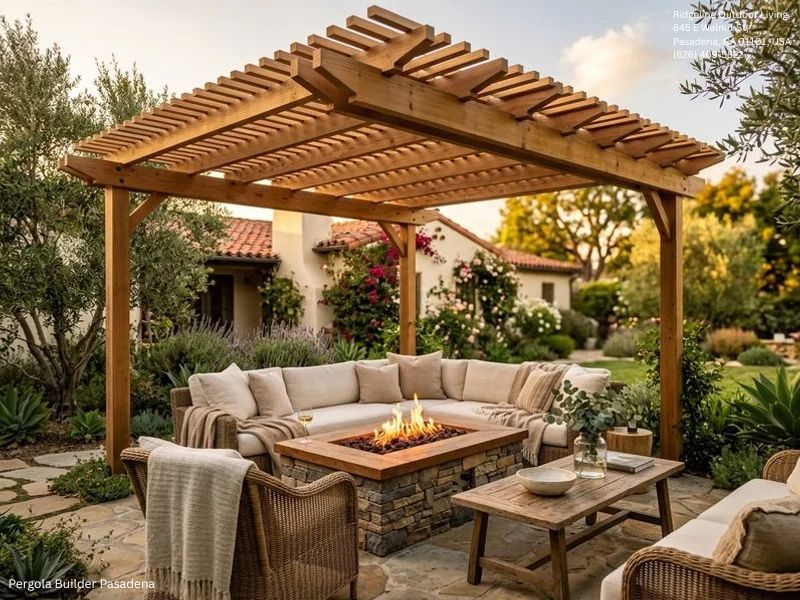
Sun control is a design lever, not an afterthought. Pergolas vs covered patios is a useful framework. Pergolas give dappled light and structure for vines or motorized louvers; covered patios offer true weather protection, better heater integration, and can carry ceiling fans and recessed lighting. In beach-adjacent zones, wind-tunnel days will turn an open pergola into a leaf trap, while a covered patio with wind screens keeps napkins put. Why Los Angeles homeowners are investing in custom pergolas often comes down to aesthetics and planning flexibility. Louvers let you modulate light seasonally, and framing can outline a room without darkening adjacent interiors.
Depth matters. A 12-foot projection typically shades a standard table in July at noon; for western exposures, extend to 14 or 16 feet or integrate vertical shade elements. Heaters should be planned with clearances in mind, which vary widely by manufacturer. We prefer hardwired, flush-mounted infrared units in covered ceiling structures for quiet, efficient warmth. Propane mushroom heaters fill gaps for open pergolas, but they add clutter and cost to run.
When a permanent roof affects drainage, we integrate gutters and downspouts into planters or underground drains. A clean water path prevents a slow drip from the roof edge from landing exactly on your nicest chair.
Kitchens That Serve, Not Dominate
Outdoor kitchen trends Los Angeles homeowners are choosing emphasize function over sheer appliance count. A solid grill, ample prep counter, undercounter refrigeration, and a closed trash bin serve 90 percent of real use. Side burners, pizza ovens, and sinks are great, but only when they fit the cooking habits of the household. Outdoor kitchen features that are worth the upgrade often include a taller backsplash to shield diners from wind and grease, pull-out propane bottle trays or dedicated gas lines, and high-performance LED task lighting that doesn’t glare at the table.
Ridgeline Outdoor Living’s guide to outdoor kitchen design starts with zoning. Keep the grill downwind from the dining table. Provide a clear landing area for hot platters on both sides of the grill, ideally 18 inches minimum each side. Site refrigerators away from direct sun to improve efficiency. Specify sealed storage if you want gear to stay clean through Santa Ana seasons. Solid surface counters in porcelain or high-density concrete hold up to citrus, wine, and the occasional dropped tongs better than softer stones.
How much does an outdoor kitchen cost in Los Angeles? Expect a wide band. A compact, straight-run kitchen with a quality grill and basic utilities can start in the 15,000 to 25,000 dollar range. Larger L-shaped builds with refrigeration, icemakers, and premium finishes can climb into the 35,000 to 70,000 range. Fully custom, appliance-rich kitchens with roofs, heaters, and integrated lighting often sit between 75,000 and 150,000, depending on structure and utilities. Trenching for gas and electrical, tying into main panels, and meeting ventilation and setback requirements drive much of that number. We plan these early to avoid change orders.
The Light That Makes Everything Look Better
Lighting can lift modest materials and make food look appealing. Ten outdoor lighting ideas for Los Angeles landscapes could fill a separate article, but several principles carry. Keep color temperature at 2700 to 3000 Kelvin for warm, flattering light on faces and food. Layer ambient illumination with task lighting at the grill and soft accent lighting at planters or seat walls. Hide sources where possible. If you can see the bulb, it is probably too bright or too exposed.
We see common outdoor lighting mistakes that reduce curb appeal and dining comfort. Overpowered wall packs bleach walls and create hard shadows that tire the eyes. Solar path lights with cold color temperature call attention to themselves rather than the path. On dimmers, you can print a scene that shifts from dinner to late-night conversation without switching anything off. DMX or smart control is nice, but a simple two or three zone setup often proves more usable in the long run.
landscaping guidesFor hillsides, downlighting from trees or structures can provide gentle, moonlike wash across steps and tables. On modern hardscapes, continuous LED channel lighting under counter overhangs draws a clean line without hotspotting. Keep code compliance in mind around pools, and always separate low-voltage landscape lighting circuits from kitchen circuits to ease maintenance.
Fire, Water, and Acoustic Comfort
A small flame draws people in. When considering 12 backyard fire pit ideas for entertaining year-round, think about fuel type and seating height. Gas fire pits light quickly and minimize smoke, crucial in dense neighborhoods. Wood fire creates drama and smell, better on larger lots with favorable wind and careful ember control. For dining areas, we often specify linear, low-profile gas flames set into a coffee table near but not at the dining table. This keeps heat reachable for lingering but avoids cooking faces during the meal.
If you want the flame at the dining table, ensure you can turn it off quickly and maintain a flat, usable table surface. For child-friendly designs, glass wind guards help. Maintain setbacks from overhead structures as specified by the manufacturer, and use noncombustible surfaces under and around the unit. Connecting this discussion to 15 fire and water feature ideas for modern landscapes, a wall-mounted water sheet near the dining area adds motion and a soft sound that masks street noise. In Los Angeles where many properties sit near busy corridors, thoughtful water sound can convert an exposed patio into a private-feeling room. Keep maintenance in view: choose systems with accessible pumps, auto-fill valves, and Pasadena hardscaping proper filtration to avoid algae during heat waves.
Planting That Loves the Climate and the Calendar
Why drought-tolerant landscaping is a smart investment is not just a water bill story. Plants that match our climate look better with less maintenance, and they frame dining areas with scent and color that last. The best drought-tolerant plants for Los Angeles yards commonly include salvias, lavender, rosemary, and Westringia for backbone, layered with seasonal interest from kangaroo paw and penstemon. Fragrant herbs near the table lift the experience without perfumes. Keep bees in mind during peak dining times; place heavy nectar plants just outside the prime eating zone if you have sensitive guests.
Where grass underfoot might traditionally have gone, artificial turf vs sod remains a live question. For a dining room, turf can be a smart, cushioned play surface adjacent to the table, provided it is not under active grilling where grease can stain. Quality artificial turf installation includes a well-compacted, draining base, appropriate infill, and edges that do not telegraph seams. Real sod cools the air and feels great, but in shaded dining courts struggling to receive six hours of sun, it thins out. In those spaces, groundcovers and decomposed granite or paver mosaics often outlast lawns.
If your dining terrace cuts into a slope, integrate planting into seat-wall pockets. Drip irrigation with pressure-compensating emitters keeps water efficient and targeted. Mulch cools roots and reduces evapotranspiration. Tie this into 15 water-wise landscaping ideas for California homes, and you can build a patio garden that handles August without flinching.
Levels, Edges, and Retaining That Do Double Duty
On the complete guide to hillside landscaping in Los Angeles, we learned long ago that a retaining wall can be a bench, a planter, and a lamp, not just a wall. Cap it at 18 to 20 inches for comfortable seating, widen the cap to 12 inches for plates and glasses, and integrate low-voltage lighting under the cap to wash the terrace. Now your retainer is a social device.
Where grade must change, handle steps within the volume of the space, not off to one side. Broad treads that double as perches dilute bottlenecks. If you need railings, a simple powder-coated steel or ipe detail keeps the look clean and low-maintenance. How to choose the best retaining wall design for your property depends on soil, height, and architecture, but for dining rooms we avoid overly massive walls unless they carry a clear design intent. Segmental retaining walls can be dressed with plaster, stone, or cladding to match the home.
Drainage: Keep Feet Dry and Structures Safe
Ten signs your yard needs better drainage often appear during the first real storm: water lines on walls, damp baseboards, slick algae on steps. In a dining space, the clues are subtler until cushions stay damp. How to solve common yard drainage problems and how to prevent yard flooding with proper drainage solutions comes down to a believable exit path for water. We like micro trench slot drains aligned with paving patterns, permeable joints that seep into a gravel bed, and, where necessary, collector drains that run to a daylight discharge or permitted connection. Coordinate drain grates and channel runs before finalizing furniture plans so you do not park a chair leg in a grate forever.
Furniture, Textiles, and the Feel of the Room
Materials determine your maintenance schedule. Teak silvers and needs occasional cleaning; powder-coated aluminum resists corrosion near the coast; high-pressure laminate tops shrug off wine and lemon. For cushion fabrics, solution-dyed acrylics still lead for fade resistance and cleanability. In LA’s microclimates, mildew forms where marine air meets shaded textiles. Choose quick-dry reticulated foam and keep air moving. A storage bench integrated into a seat wall solves the cushion stowage riddle without adding clutter.
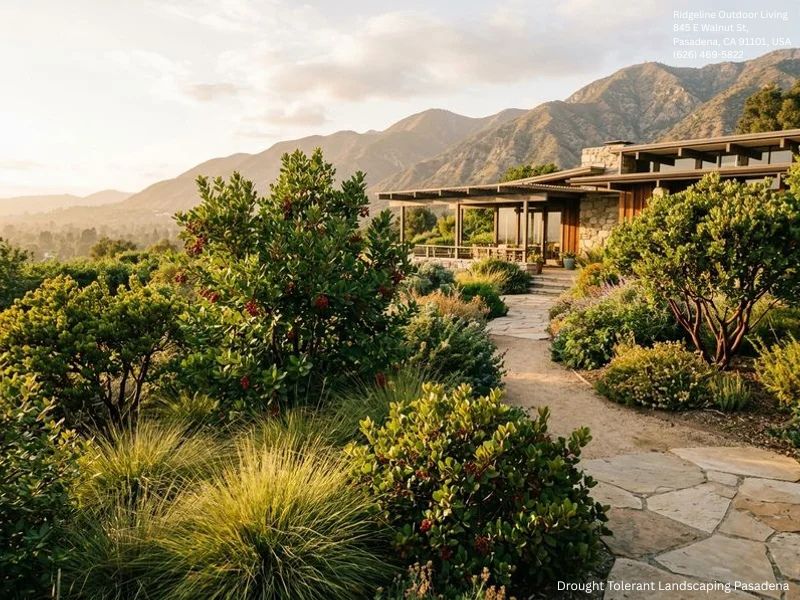
Table shapes change behavior. A long rectangle organizes conversation into clusters; a round table democratizes it. For families with kids, round edges save bruises. If your guest count flexes, two smaller tables that can push together provide more options than a single behemoth.
Technology, Sound, and Screens
Ambient audio at dining volume runs around 55 to 65 decibels at the table. Plan two smaller speakers closer to listeners rather than a single blaring unit. This lowers neighbor impact and keeps the sound clear. Subwoofers integrated into built-ins maintain bass at low volumes. For outdoor video, short-throw projectors can turn a retractable shade into a screen for a once-a-month movie night, but avoid baking a TV into a dining wall unless you know it will be used. Screens distract from meals more than they help in most families.
On controls, fewer buttons win. A simple three-scene panel labeled Dinner, Late, Off often sees more use than elaborate phone-only systems. If Wi-Fi is weak outside, run a hardline to an outdoor-rated access point during construction instead of trying to fix it later.
Budgets, Phasing, and Value
What does hardscape construction cost in Los Angeles? With responsible base work, drainage, and lighting, a dining-ready patio in concrete or pavers often falls in the 35 to 75 dollars per square foot range. Shade structures swing wildly: a simple pergola might begin near 8,000 to 20,000 dollars; a fully roofed, wired, and heated covered patio can range from 35,000 to well above 100,000 depending on spans and finishes. Outdoor kitchens, as noted, span a broad range. Utilities frequently account for 15 to 30 percent of a total build, particularly on hillside lots.
If the master plan outpaces the budget, phase it. First, stabilize grades, install drainage, and pour or lay the primary terrace. Second, add shade and utilities stubs for the future kitchen. Third, build the kitchen and integrate lighting. Fourth, refine with fire, water, and furnishings. Ten backyard upgrades worth the investment tend to cluster around shade, quality surfaces, reliable lighting, and an efficient kitchen. These also correlate with 10 hardscaping features that increase property value and 12 outdoor living features that add the most value. Buyers in LA respond to usable square footage outside. A well-executed dining room that ties to the kitchen inside and maintains privacy returns lifestyle dividends immediately and resale value later.
Permits, Codes, and the Design-Build Path
How Ridgeline Outdoor Living approaches design-build landscaping is pragmatic. We start with base maps and concept plans, then test structure locations for setbacks, drainage routes for fall, and kitchen positions for venting and gas. Gas appliances require clearances and shutoff access. Covered structures trigger zoning reviews and sometimes engineering depending on spans. On hillside lots in designated zones, additional reviews may apply. It is not glamorous work, but smooth permitting shortens the path from sketch to dinner party.
Ten questions to ask before hiring a landscape contractor apply here. Ask how they handle utilities, who coordinates inspections, and what details prevent glare, grease staining, and wind funneling. Look for a team that can own both the pretty and the practical.
Climate Control: Heat, Air, and Sun
LA gives you usable outdoor time most months, but comfort needs nudge. Ceiling fans cut perceived temperatures by several degrees and chase bugs. Misters help in dry valley heat if they are well designed, with fine atomization and catch strategies that do not soak furniture. Heaters extend shoulder seasons. Anchor heaters to the structure early in the design; retrofitting often looks like an afterthought.
Use planting for microclimate adjustments. A small grove of fruitless olive trees casts high, patterned shade that cools without darkening. Bamboo in trough planters can make a fast privacy screen, but pick a clumping variety and plan maintenance. In high-fire zones, respect defensible space guidelines and choose fire-wise species.
Driveways, Approaches, and The Arrival
While not part of the dining room proper, the journey matters. Fifteen driveway paving ideas to improve curb appeal often dovetail with dining space materials to keep a cohesive language from street to terrace. The most popular driveway materials in Los Angeles include concrete with banding, concrete pavers, and gravel stabilized with honeycomb grids where codes allow. When guests arrive, keep wayfinding clear with restrained lighting and simple, legible paving transitions. This sets the tone long before the first course.
A Brief Case Study: Hillside Dining in Studio City
A recent build on a sloping lot required a retaining wall to carve a level dining terrace. We tied the wall into a 20-inch seat with a 12-inch cap, washed by concealed LEDs. The surface was a permeable concrete paver in a modern blend, pitched 1.5 percent to an arroyo-style planter with native Muhlenbergia and salvia. A louvered pergola extended 14 feet over the table, integrating three flush infrared heaters and two ceiling fans. The kitchen held a 36-inch grill, a side burner, and 10 linear feet of prep counter in porcelain. Gas and electrical were trenched up a 60-foot run, with a subpanel hidden in cabinetry.
Costs landed around 195,000 dollars, driven by engineering for the wall and structure, utility runs, and premium finishes. The result reads calm. The family eats outside three to four nights a week, year-round. Their yard drains cleanly in storms. Neighbors hear only a soft wash from a narrow water wall at the property edge.
Mistakes We See and How to Avoid Them
The greatest pitfall remains building to furniture, not to people. If a manufacturer photo shows eight chairs, that does not mean eight humans will move gracefully around that set on your patio. Another frequent miss: grill hoods banging into posts or screens because clearances were not accounted for when the lid is open. We still encounter brand-new stamped concrete patios stained by the first barbecue because no grease mat or lip exists near the cook station.
Business Name: Ridgeline Outdoor Living
Address: 845 E Walnut St, Pasadena, CA 91101, United States
Phone: (626) 469-5822
Ridgeline Outdoor Living
Ridgeline Outdoor Living is a Pasadena-based landscape design-build company serving Greater Los Angeles with custom outdoor living, hardscape, and drought-tolerant landscape solutions. The company specializes in patios, retaining walls, outdoor kitchens, drainage, hillside projects, and turnkey landscape construction, handling projects from design and permitting through final build and warranty.
845 E Walnut St, Pasadena, CA 91101, USA
Business Hours:
- Monday – Saturday: 8:00 AM – 6:00 PM
- Sunday: Closed
Follow Us:
Tackle these with mockups. We mark outlines with tape on existing slabs or with flour on compacted base. People then sit, push chairs back, and we adjust. This simple half-hour habit uncovers issues that drawings hide.
Bringing It All Together
How Ridgeline Outdoor Living creates functional outdoor living spaces is less about gadgets and more about fit. Every line on the plan should earn its place in use, maintenance, and beauty. Choose the best hardscape materials for Southern California landscapes, tune shade and airflow to your microclimate, manage water with intelligent grading and drains, and light the night for faces and food. Whether your canvas is a small urban courtyard or a tiered hillside with a view, the same playbook applies: respect the site, size for people, invest in surfaces and shade, and add flame, water, and planting with a clear purpose.
Before you break ground, walk the plan at the time of day you expect to dine most often. Listen for noise. Watch the sun fall across the space. Smell the air. Good design does not fight those realities; it turns them into assets.
Five on-site variables to map before design:
- Summer and winter sun angles at your dining hour.
- Prevailing winds and wind breaks on the property.
- Natural water flow during storms and any low spots.
- Neighbor sightlines and privacy opportunities.
- Existing utilities, roots, and structures that influence layout.
With those answers, the rest of the choices simplify. The result is a dining space that feels inevitable, like it has always belonged to the house and its people. And that is the point: a place where food tastes a little better, stories travel a little further, and the Los Angeles evening does what it does best.