Drought-Tolerant Planting Plans: Ridgeline’s Top Picks for Gorgeous, Low-Water Yards,Ridgeline’s 10 Outdoor Lighting Ideas to Enhance Safety and Ambiance in LA,How Ridgeline Balances Budget and Beauty in Hardscape Construction Costs,Avoid These 10 Backyard Renovation Mistakes—Ridgeline’s Pre-Construction Checklist,Ridgeline’s Guide to Choosing the Right Pergola or Covered Patio for Your Home,From Drainage to Design: Ridgeline’s Comprehensive Approach to LA Landscapes,How Ridgeline Outdoor Living Streamlines Outdoor Kitchen Design-Build in LA,Driveway Design Decisions: Ridgeline’s Materials, Patterns, and Paver Insights,Ridgeline’s Hillside Retaining Wall Strategies: Engineering Meets Aesthetics,Creating Value Outdoors: 12 Features Ridgeline Prioritizes for LA Homeowners] ```````````````````````````````````````````````````````````````````````````````````````````````````````````````````````````````````````````````````````````````````````````````````````````````````````````````````````````````````````````````````````````````````````````````````````````````````````````````````````````````````````````````````````````````````````````````````````````````````````````````````````````````````````````````````````````````````````````````````````````````````````````````````````````````````````````````````````````````````````````````````````````````````````````````````````````````````````````````````````````````````````````````````````````````````````````````````````````````````````````````````````````````````````````````````````````````````````````````````````````````````````````````````````````````````````````````````````````````````````````````````````````````````````````````````````````````````````````````````````````````````````````````````````````````````````````````````````````````````````````````````````````````````````````````````````````````````````````````````````````````````````````````````````````````````````````````````````````````````````````````````````````````````````````````````````````````````````````````````````````````````````````````````````````````````````````````````````````````````````````````````````````````````````````````````````````````````````````````````````````````````````````````````````````````````````````````````````````````````````````````````````````````````````````````````````````````````````````````````````````````````````````````````````````````````````````````````````````````````````````````````````````````````````````````````````````````````````````````````````````````````````````````````````````````````````````````````````````````````````````````````````````````````````````````````````````````````````````````````````````````````````````````````````````````````````````````````````````````````````````````````````````````````````````````````````````````````````````````````````````````````````````````````````````````````````````````````````````````````````````````````````````````````````````````````````````````````````````````````````````````````````````````````````````````````````````````````````````````````````````````````````````````````````````````````````````````````````````````````````````````````````````````````````````````````````````````````````````````````````````````````````````````````````````````````````````````````````````````````````````````````````````````````````````````````````````````````````````````````````````````````````````````````````````
Los Angeles homeowners want green, livable outdoor spaces without high water bills or constant upkeep. Drought-tolerant landscaping is not a compromise here. Done well, it becomes a refined, place-specific style that fits our Mediterranean climate and rolling topography. After years designing and building yards across the county, Ridgeline has seen low-water gardens outperform thirsty lawns on beauty, comfort, and durability. They also age gracefully, which is something you notice when you revisit a property five years on and the plantings look better than month one.
This guide gathers practical design moves, irrigation strategies, and our favorite plant selections for Southern California yards. It also shows where to invest, how to avoid common pitfalls, and why the best drought-tolerant yards still feel lush.
Why water-wise landscapes thrive in Los Angeles
Our climate rewards plants that handle long, dry summers with short bursts of winter rain. Native and Mediterranean species evolved for this cadence: deep roots, drought dormancy, waxy or silver foliage that reflects heat, and seasonal growth that follows cool-season rains. Combine that biology with smart irrigation and resilient hardscape, and you have a yard that looks right in January and August.
There is a financial case too. Replacing a conventional lawn with drought-tolerant planting and efficient drip irrigation can reduce outdoor water use by 40 to 70 percent, depending on exposure and design. Add weather-based controllers and zoning, and you typically cut another 10 to 20 percent. Those savings accumulate, and the property value often climbs when the space looks polished and purposeful. Many of the 10 hardscaping features that increase property value, such as well-framed walkways, paver patios, and lighting, pair naturally with low-water plant palettes.
Start with site-driven design
Every successful plan begins with the site. We treat sun, wind, slope, and soil as design partners. West-facing walls radiate heat, so a Silver Bush Lupine that thrives in morning sun may struggle there without assistance from a shade-casting shrub or trellis. A narrow parkway strip asks for plants that tolerate reflected heat and erratic foot traffic. On a hillside, roots and spacing matter more than flower color.
Business Name: Ridgeline Outdoor Living
Address: 845 E Walnut St, Pasadena, CA 91101, United States
Phone: (626) 469-5822
Ridgeline Outdoor Living
Ridgeline Outdoor Living is a Pasadena-based landscape design-build company serving Greater Los Angeles with custom outdoor living, hardscape, and drought-tolerant landscape solutions. The company specializes in patios, retaining walls, outdoor kitchens, drainage, hillside projects, and turnkey landscape construction, handling projects from design and permitting through final build and warranty.
845 E Walnut St, Pasadena, CA 91101, USA
Business Hours:
- Monday – Saturday: 8:00 AM – 6:00 PM
- Sunday: Closed
Follow Us:
Before selecting plants, walk the property at two times of day. Notice where you squint from glare, where it stays damp after a rare storm, and where you feel a breeze at 4 p.m. If you see puddling near the foundation or at the base of stairs, note it. Drainage is part of drought-tolerant design. Heavy clay with poor infiltration wastes water by sending it sideways instead of down to the roots. In those cases, we often include French drains or permeable hardscape to move stormwater safely and replenish soil moisture where plants can access it.
A quick field test tells you a lot. Scoop a handful of soil, wet it, and press it into a ball. If it ribbons and stains your palm, you have clay that needs texture added. If it won’t hold together at all, you likely have sandy soil that drains fast and needs compost to hold nutrients. Most Los Angeles properties sit somewhere between those extremes, often with compacted fill near patios and driveways.
Get irrigation right from day one
Choosing drought-tolerant species is only half of the equation. The way you deliver water shapes the root system and the plant’s resilience. We design drip systems with precise emitters, set to match plant size and soil infiltration. Shrubs often start with two 1-gallon-per-hour emitters placed just beyond the root ball and eventually graduate to a ring line that encourages outward root growth. Trees typically receive multiple emitters positioned around the dripline, not at the trunk, scaled up as the canopy expands.
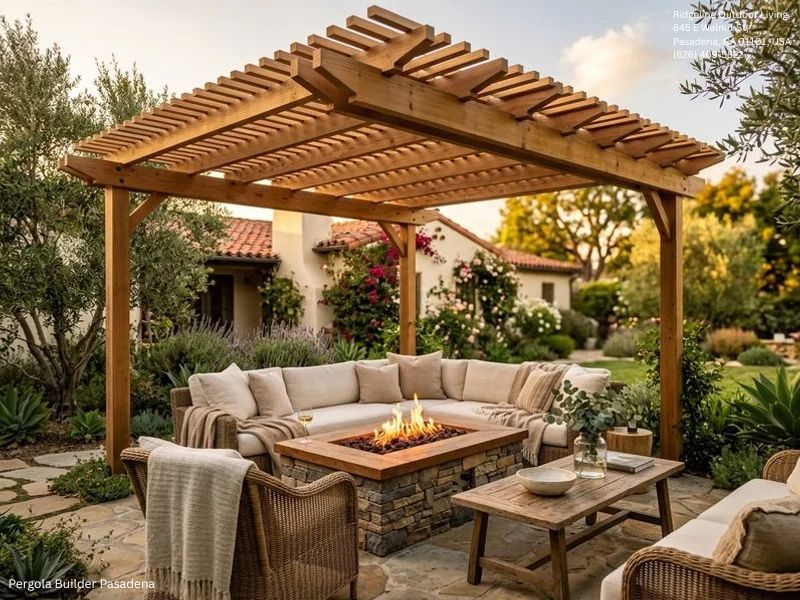
Zoning matters. Group plants by water need and sun exposure. A Mediterranean herb bed with rosemary, oregano, and lavender wants less frequent, deeper watering than a mixed bed of salvias and young shade trees. A weather-based controller, paired with a simple rain sensor, adjusts schedules with changing conditions. LA sees microclimate swings from coastal fog to valley heat, so check actual performance at the heads and update runtime with the seasons.
Mulch is a workhorse here. Two to three inches of shredded bark or gravel cuts surface evaporation, shields soil life, and keeps weeds from stealing water. We prefer plant-specific mulch choices. For a native chaparral look with ceanothus and manzanita, a natural wood mulch complements the matte foliage and supports soil biology. For modern, clean lines with agaves and dasylirions, a crushed gravel or decomposed granite mulch reads crisp and stays put.
Plant selection that looks good year-round
A drought-tolerant yard does not have to be all spiky succulents. The trick is building layers: canopy, understory, seasonal color, and connective groundcovers. When you read lists of the best drought-tolerant plants for Los Angeles yards, you often see the same few names. They are popular for a reason, but they do their best work when planted with an eye to contrast and long-term shape.
Trees set tone and comfort. Olive trees, desert museum palo verde, fruitless strawberry trees, and Chinese pistache bring light shade with small foliage that filters sun rather than blocking it entirely. On a tight lot, crape myrtles give you summer bloom and a clean winter structure. For coastal sites, consider Catalina cherry or island oak if you can give them room.
Shrubs supply backbone. Manzanita varieties like Howard McMinn or Sunset create sculptural, mahogany trunks and spring bloom for pollinators. Ceanothus adds electric blue flowers and evergreen mass, especially Ray Hartman or Concha. Mediterranean rockrose is hard to beat for mid-slope coverage and pink or white spring petals. For softer textures, Westringia and Teucrium fruticans hold their shape with light pruning and tolerate reflected heat.
Perennials and subshrubs handle the rhythm of color. Salvias are the unsung heroes here. Cleveland sage offers fragrance and white bloom bracts that glow in evening light. Salvia leucantha brings a long flush of purple velvet spikes. Penstemons, yarrow, and gaura weave through with motion. For a dry shade assignment under a tree, carex varieties, heuchera, and lomandra add green without fuss.
Grasses and grass-like plants deliver movement. Deer grass and purple fountain grass, used sparingly, animate a planting in wind. Blue fescue and sesleria work near paths and patios where scale matters. Lomandra longifolia is nearly bulletproof in parkways and large beds and reads tidy if you skip the shearing.
Succulents and architectural accents anchor views. Agave parryi, Agave attenuata, and mangaves lend form that remains interesting even when flowers fade elsewhere. Senecio, aeonium, and echeveria fill foreground niches. For a shadier modern feel, consider aloes and sansevieria near walls or beneath coast live oak canopies, watching root disturbance.
Groundcovers stitch the plan together. Dymondia margaretae handles light foot traffic and suppresses weeds between pavers. Lippia nodiflora (Kurapia) works as a living carpet with very low water needs once established. Baccharis pilularis, the dwarf coyote brush, covers slopes with wildlife value.
If you need a primer on principles and plant palettes, The Ultimate Guide to Drought-Tolerant Landscaping in Los Angeles often starts with these same families. The difference in real projects lies in proportions, spacing, and how you stage bloom and texture from January through December.
Sample planting plans that solve common LA conditions
Every yard has a job to do. Here are four patterns we return to, with adjustments for architecture and microclimate.
Front yard curb appeal without a lawn. In narrow LA front yards, we use a small-scale shade tree, such as fruitless olive on a standard, to create vertical presence without darkening the house. Beneath it, a matrix of lomandra and blue fescue carries green through summer. We thread in salvias for seasonal flare and a line of manzanita or westringia to hold the edges. A permeable paver ribbon leads to the entry, set slightly proud of the planting to keep mulch off the walkway. Low-voltage path lighting guides guests without glare. This approach pairs well with homes seeking the cleaner look of 15 paver patio designs Los Angeles homeowners love, scaled down for an entry court.
Backyard entertaining with color and privacy. Along the property lines, ollies or Carolina cherry laurel, kept to 10 to 12 feet with selective pruning, establish a green backdrop. We bring the social zone near the house and soften it with planter bands. Succulents in raised Corten steel planters read modern, while a swath of Cleveland sage and penstemon invites hummingbirds and seasonal buzz. A built-in bench against a stucco or ipe screen makes a compact space feel generous. For year-round use, tuck in a gas fire feature or small pit and run the drip line around it to protect surround plants. If you are benchmarking 12 backyard fire pit ideas for entertaining year-round, notice how the best pits sit within planting rather than marooned in paving.
Hillside stability with a natural look. On a slope, we stagger shrubs and deep-rooted grasses along contour lines to slow runoff and pin soil. Cistus, Baccharis, deer grass, and Arctostaphylos play well together here. If the grade is steep or the house sits close to the toe of the slope, we add a low retaining wall or a series of terraces that double as seating. Ridgeline’s hillside retaining wall strategies often blend engineered block cores with a stone or plaster face so the wall reads like part of the landscape. The goal is to solve erosion first, then dial in species that knit the slope over time.
Parkway or side yard strips with heat and foot traffic. These areas demand plants that handle reflected sun, dog paws, and the occasional car landscape contractors Los Angeles door. Dymondia or creeping thyme between large pavers turns a throwaway space into a functional walkway. Lomandra confers structure at a modest height. Agave desmetiana, set back from the curb for safety, creates a repeating sculptural note. Drip laterals placed off the curb avoid damage from parked tires and keep water where it matters.
Turf alternatives and when to consider artificial turf
Lawns drink. If you still want a usable green pad for kids or pets, scale it down and choose a drought-tolerant blend with deep roots, like UC Verde buffalograss or a low-mow fescue in cooler microclimates. Shape it with generous curves to avoid narrow slivers that are hard to irrigate efficiently. A 250 to 400 square foot lawn often satisfies play without dominating a small yard.
Artificial turf vs sod sparks debate. Artificial turf looks tidy, requires no mowing, and uses no irrigation once installed. It also heats up in summer sun, can smell if pets use it without proper base prep and cleaning, and eventually needs replacement. For shaded side yards or small putting greens, synthetic can be the right move. For full-sun front yards that face the street, a planting design with living groundcovers and a modest lawn pad typically reads more natural and stays cooler. If you go synthetic, invest in a permeable base, a product with heat-reflective infill, and a drainage plan routed to the street or a drywell to prevent pooling.
Drainage and water capture that protect the investment
Even in a drought-prone region, we plan for storms. French drains explained simply: a gravel-filled trench with a perforated pipe that collects and moves subsurface water away from structures. When paired with catch basins at low points and a daylight outlet or drywell, these systems protect patios, foundations, and planting beds from saturation that leads to rot or slope failure. Permeable pavers in driveways and paths let rain infiltrate on-site and reduce runoff, which is helpful on older lots where gutters dump to the ground.
If your yard shows 10 signs your yard needs better drainage, such as standing water after a modest rain or mildew at the base of walls, handle those first, then plant. Healthy soil with good infiltration is the unseen engine behind drought-tolerant success.
Irrigation schedules and establishment
New drought-tolerant plants need consistent water while they set roots. Expect to water more in the first 12 to 18 months, then taper. Deep, infrequent watering trains roots to chase moisture, which makes plants harder to stress in late summer heat. For example, a shrub might receive two 15 to 25 minute drip cycles per week in year one, then one deeper cycle per week in year two, and every 10 to 14 days in year three except during extreme heat. Always check soil two inches down before changing schedules. If it is cool and damp, hold. If it is powdery and warm, increase duration before you increase frequency.
Light, path, and hardscape that make plantings shine
Low-voltage lighting extends use and anchors curb appeal. We like a warm 2700K temperature for path lights and a 3000K accent on focal trees. Aim uplights along the front face of a manzanita to reveal branch color and texture. Use shielded fixtures to prevent glare and wash walls or hedges softly. The best 10 outdoor lighting ideas for Los Angeles landscapes avoid the mistake of over-lighting. Fewer, better-placed fixtures protect night sky and bring out depth in the planting.
For hardscape, permeable pavers and decomposed granite walkways fit the water-wise ethos and look refined with the right edging. A band of concrete or Corten steel keeps DG from fraying into beds. On hillsides, steps placed every landscaping guides 18 to 24 feet of run break the grade into comfortable moves and prevent erosion. Even small patios benefit from pattern and material choices that relate to architecture. If you are weighing paver patios vs stamped concrete, remember that pavers offer easier repair and permeability, while stamped concrete can achieve large, seamless fields at lower initial cost.
A short site assessment checklist
- Identify sun patterns by zone, morning and late afternoon.
- Test soil texture and drainage with a simple hand test.
- Map water flow and low points, note downspouts and roof area.
- Plan irrigation zones by plant water need and sun exposure.
- Confirm clearances from structures, utilities, and sightlines.
Our favorite drought-tolerant plant combinations
Pairings matter as much as species. In one Pacific Palisades project, a Salvia clevelandii drift grew beneath an olive canopy with interplanted Penstemon heterophyllus Electric Blue. The olive filtered light so the penstemon did not bleach, and the salvia fragrance turned evening breezes into an experience. In Studio City, we set a line of Agave parryi truncones against a charcoal stucco wall, then softened the foreground with Sesleria Autumn Moor grass and silver Helichrysum. The mix read both sculptural and soft, which is the sweet spot for many modern homes.
For coastal gardens, ceanothus and artemisia handle fog and wind. Inland valleys benefit from palo verde and desert-friendly aloes that flower during the leanest months. Shade under mature oaks requires respect for the tree’s roots. We avoid irrigation near trunks and use dry-adapted companions like Ribes viburnifolium and coffeeberry set outside the dripline, watering during winter rains and sparingly in summer.
Budgeting, value, and where to invest
What does a drought-tolerant landscape cost compared to a conventional one? Plant material and drip irrigation are similar in many cases, but savings show up in reduced lawn prep, smaller or absent turf areas, and simpler maintenance. Expect a modest front yard renovation with planting, drip, lighting, and a new entry path to land in the tens of thousands, with wide range based on material selection and access. If you decide to add a paver patio or outdoor kitchen, costs rise, but those features create living space that competes with indoor square footage. Clients who ask how much does an outdoor kitchen cost in Los Angeles often end up scaling the kitchen to their hosting style and investing the difference in trees and lighting, which adds daily value.
Prioritize long-lived elements first: drainage, soil improvement, irrigation infrastructure, and trees. Then choose fewer, better shrubs and perennials at appropriate sizes. Planting smaller one-gallon or five-gallon containers often yields better establishment than oversized stock and brings real savings.
Mistakes to avoid with drought-tolerant planting
- Mixing high and low water plants in one zone, which forces wasteful watering or plant stress.
- Overplanting early to achieve instant fullness, then fighting crowding and disease in year three.
- Skipping mulch or choosing decorative rock everywhere, which bakes soil and hinders growth for many non-succulents.
- Using hedge shears on species that look better with selective hand pruning, such as manzanita and ceanothus.
- Ignoring seasonal wind and heat corridors that scorch plants not sited for them.
Seasonal care that fits a light-maintenance routine
A low-water yard is not a no-maintenance yard. Think of it as periodic, strategic care instead of weekly chores. Drip systems get a spring check, mulch gets topped up as needed, and most perennials benefit from a winter or early spring cutback to refresh growth. Woody shrubs prefer light, selective pruning to protect natural form and next year’s flowers. Avoid heavy cuts late in summer, which can prompt tender growth before winter.
Here is a simple maintenance rhythm many of our clients use:
- Winter: prune deciduous trees, cut back perennials, inspect drainage, and add compost or mulch.
- Spring: adjust irrigation runtime, check emitters, fertilize select plants if needed, and add or rearrange seasonal pops.
- Summer: spot water new plantings during heat waves, monitor for pests, and keep mulch intact.
- Fall: reduce irrigation frequency, plant new trees and shrubs while soil is warm, and refresh gravel or DG paths.
Bringing it all together on your property
The best drought-tolerant yards feel designed, not improvised. They respect the house, handle real use, and hold their own from the street. They also earn their keep in the hottest months when water restrictions bite. If you are collecting 15 water-wise landscaping ideas for California homes, start with the basics: right plant, right place, smart water, clean hardscape, and night lighting that flatters rather than flattens.
Ridgeline’s role is to translate those principles into a specific scheme that lives well. We sketch paths that fit your stride, choose plants that carry through the seasons, and place shade where you want to linger. We solve drainage in quiet ways, often invisible once the garden fills in. And we stage work so the yard matures into itself rather than aging out of a trend.
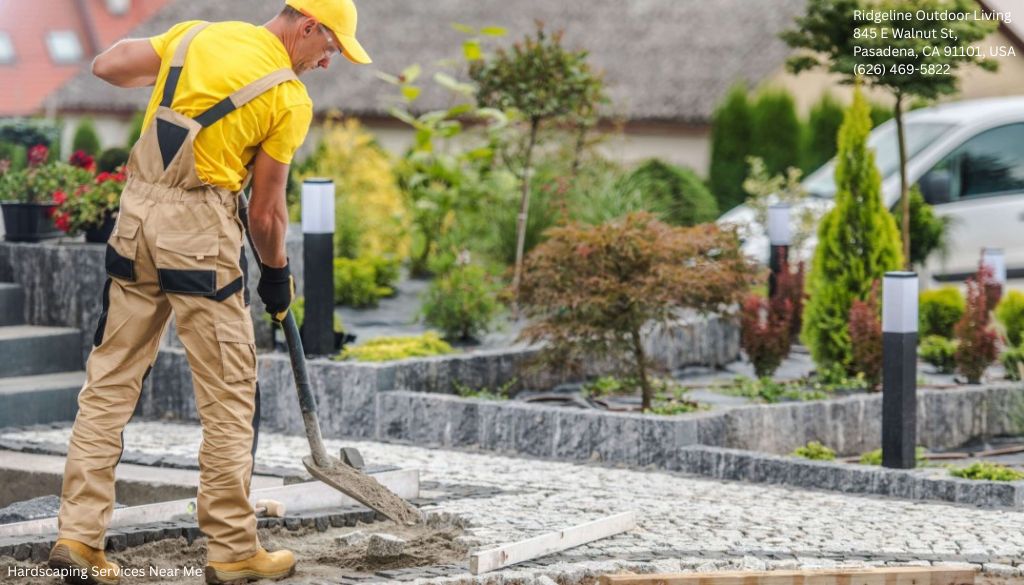
There is no single template. A Spanish Revival courtyard may want olive and lavender with a terra-cotta palette and a tiled rill that recirculates a thin sheet of water, small enough to run sparsely. A Mid-century slope might ask for agave silhouettes against white plaster, with a ribbon of sesleria and dymondia weaving through large-format pavers. A family home near the foothills can carry boulders that echo the San Gabriels, ceanothus that brings native bees, and a sheltered patio that gathers the evening breeze.
What stays constant is the craft. You prepare the soil and the water, pick plants for this region, and give them space to become themselves. In a year, you will notice fewer weeds. In two, you will spend more evenings outside without a hose in your hand. In three, you will have a yard that looks like it belongs in Los Angeles and belongs to you.