From Concept to Completion: Ridgeline’s Guide to Outdoor Kitchen Costs in Los Angeles
Outdoor kitchens in Los Angeles are not just weekend novelties. They extend living space, anchor gatherings, and frame the everyday rhythm of meals shared under open sky. Because our climate rewards time outside almost year-round, clients often ask us to treat their outdoor kitchen like a true room, with longevity, safety, and comfort at the center. That expectation raises a fair question: what does it really cost to build one in Los Angeles, from first sketch to first steak?
The short answer is that costs vary widely with design, access, materials, and utilities. The long answer is where the value lives. It explains why a similar layout can land at very different prices across neighborhoods, why a high-BTU grill needs more than a gas line to perform well, and how a thoughtful plan avoids surprise change orders later. This guide distills what we have learned designing and building outdoor kitchens across the county, from Santa Monica courtyards to hillside terraces in Sherman Oaks.
A realistic cost range for Los Angeles
For a masonry-built outdoor kitchen with durable finishes and brand-name appliances, most Los Angeles projects land in these ranges, including design, permitting, utilities, structure, finishes, and appliances:
- Entry tier, compact footprint hosting basics such as a grill, small refrigerator, and storage: roughly $25,000 to $45,000.
- Mid tier, expanded counter space, sink, premium grill, possible side burner or warming drawer, paver or concrete patio improvements, and task lighting: typically $45,000 to $85,000.
- Premium tier, large island or multi-station layout, pizza oven or power burner, ice maker, kegerator, ventilation under a covered patio, premium countertops such as porcelain or sintered stone, integrated lighting, and drainage upgrades: commonly $85,000 to $200,000+.
Those numbers reflect current labor conditions, material pricing, and permitting in Los Angeles. They also assume site-built construction that we can service long term. Lightweight, modular kits can reduce the starting figure, but they often shift costs to site prep, utility runs, and custom finishes to make them look integrated with the rest of the landscape.
What drives cost up or down
Several factors have more influence on cost than any single brand or finish. Understanding these helps set priorities early and prevent scope creep.
-
Scope and size. Linear footage of cabinetry and counters is the primary driver. Island sections, return legs, and raised bar tops add structure and finish work. A compact 8 to 10 foot run with a simple return is efficient. Sprawling L or U shapes multiply structure, stone, and appliance cutouts.
-
Utilities. New gas lines, dedicated electrical circuits, and drinkable water supply with backflow prevention add up. Trenching across a driveway or hardscape pushes costs significantly. In LA, expect gas line extensions between $1,500 and $5,000 depending on distance and meter capacity upgrades. Electrical can run $1,500 to $6,000 for new circuits, subpanels, and code-compliant GFCI outlets. Water and drain for a sink or ice maker range from $2,000 to $8,000, influenced by run lengths and concrete demolition.
-
Site conditions. Flat, open sites with easy access build faster and cheaper. Tight side yards, slopes, or backyard-only access requiring materials to be wheeled through the house add labor. On hillsides, we may need grade beams, pier footings, or small retaining walls to tie into stable soil. A modest retaining wall can add $5,000 to $15,000 before any kitchen work begins. On some hillside properties, retaining walls are unavoidable. If you are planning broader upgrades, review Retaining Walls for Hillside Properties: What Homeowners Need to Know.
-
Cover and ventilation. Cooking under a pergola or a solid roof improves comfort, but adds structural, lighting, and sometimes mechanical ventilation costs. A cedar or aluminum pergola might range from $12,000 to $35,000. A solid roof tied into the home or built as a freestanding pavilion can range from $25,000 to $60,000+, depending on complexity. If a grill sits under a cover, a proper outdoor-rated hood and ducting add $2,000 to $6,000, plus electrical.
-
Materials and finishes. Masonry block with cement board and stucco is cost-effective and durable. Stone veneer, porcelain cladding, or large-format concrete raise costs. Countertops span a wide range: poured-in-place concrete at $90 to $140 per square foot, high-density porcelain or sintered stone at $120 to $200 per square foot, and certain granites starting near $80 per square foot. For Los Angeles homes, we often recommend porcelain or sintered surfaces because they resist UV, stains, and thermal shock.
-
Appliances and features. A quality 36 inch grill with a rotisserie and infrared sear zone can cost $2,500 to $6,000 and will cook more consistently than a bargain alternative. Popular add-ons include a side burner at $400 to $1,500, beverage fridge at $900 to $2,500, ice maker at $2,000 to $4,000, power burner for stock pots at $1,200 to $2,800, and a pizza oven at $3,000 to $10,000+. Thoughtful storage inserts and trash pull-outs are modest individually, but the sum matters.
-
Hardscape and drainage. Many kitchens sit on new patios. Paver patios in Los Angeles typically range from $18 to $30 per square foot depending on style and base prep. Stamped concrete often sits near $14 to $22 per square foot. We explain the trade-offs in Paver Patios vs Stamped Concrete: Pros and Cons and 15 Paver Patio Designs Los Angeles Homeowners Love. Where patios meet planters or slopes, drainage must be planned. A French drain along a retaining edge may add $3,000 to $9,000, a smart investment that protects your hardscape and the structure. See French Drains Explained: Protecting Your Property From Water Damage for a deeper look at when they are warranted.
An experienced builder’s view of good value
Where does spending more translate into tangible daily satisfaction, and where can you economize without regret? After installing dozens of kitchens across microclimates from the Westside to the Valley, here is the pattern we see.
Invest in the platform. A stable, well-drained foundation and a durable cabinet structure outlive any appliance cycle. We still service masonry cabinets built fifteen years ago that look fresh after new counters and a grill swap. Cutting corners on base prep, rebar, or waterproofing under raised decks invites movement and costly remediation later.
Choose the right grill, not the priciest one. A consistent heat profile and even distribution across the cooking surface drive performance more than glossy bezels. Mid to upper-mid brands in the $2,500 to $4,500 band often hit the sweet spot. If you sear frequently, an infrared zone matters. If you slow roast, control at low temperatures does.
Favor resilient counters. In Los Angeles sun, sealed concrete and porcelain hold up. Marble looks stunning on day one, but etches easily around acids like citrus and wine, which show up frequently outdoors. Quartz, which thrives indoors, can discolor under UV. That is why we often specify porcelain or sintered slabs for longevity, a point echoed in The Best Hardscape Materials for Southern California Landscapes.
Plan for shade and ventilation together. Under an open sky, you will cook happily most months, but August afternoons demand shade. A pergola with operable louvers balances light and airflow. If you prefer a solid roof for year-round comfort, budget for an outdoor-rated hood to protect the structure and move smoke away from guests. See Pergolas vs Covered Patios: Which Is Right for Your Home?
Measure the real use case before adding every feature. A power burner is brilliant if you love crab boils. A kegerator is terrific if you host often, but it needs cleaning and constant power. If counter space is tight, prioritize landing zones near the grill and sink over extra gadgets. Ridgeline Outdoor Living’s Guide to Outdoor Kitchen Design details clearances, adjacencies, and working triangles that make a small footprint cook large.
Sample project scenarios and budgets
Costs become clearer when tied to real patterns of use. The following scenarios mirror projects we build repeatedly in Los Angeles. Ranges include design, permits, utilities, structure, finishes, and appliances.
Compact urban entertainer. A 10 foot straight run with a quality 32 to 36 inch grill, 24 inch fridge, storage, and a small sink. Stucco or simple porcelain cladding, concrete or porcelain counter, basic task lighting, and a new 250 square foot paver patio. Gas and electrical within 20 to 30 feet. Budget roughly $35,000 to $55,000. Where it flexes: tight access, upgraded porcelain counters, or a small pergola can push this higher.
Family hub with island. An L-shaped layout plus a 6 foot island for prep and seating, 36 to 42 inch grill, side burner, sink, trash pull-out, 24 inch fridge, and space for landscaping guides a kamado grill. Porcelain cladding and counter, under-counter lighting, and a 500 to 700 square foot patio with drainage improvements. Utilities 30 to 60 feet from source. Budget typically $65,000 to $115,000. Add an aluminum pergola with lighting and a fan to land between $85,000 and $150,000.
Hillside luxury pavilion. A covered structure with tongue-and-groove ceiling, heaters, integrated lighting, and a full kitchen: 42 to 54 inch grill, power burner, pizza oven, ice maker, beverage center, dishwasher rated for outdoor use, and vent hood. Premium porcelain slabs, stone veneer, engineered footings, and retaining elements. Patio work often in large-format porcelain pavers on pedestals for drainage over a waterproofed deck. Budget commonly $150,000 to $300,000+, driven by structure and access. This tier intersects with 15 Luxury Hardscape Ideas for Southern California Homes and 10 Ways to Create a Resort-Style Backyard at Home.
Permits, inspections, and the LA context
In the city and county of Los Angeles, an outdoor kitchen can implicate several departments: building, mechanical, electrical, plumbing, and occasionally fire. Gas and electrical require permits and inspections. A sink tied to the home’s drain line needs plumbing permits and, in some cases, a grease interceptor if the jurisdiction deems it necessary for food service intensity, though that is uncommon for residences. If you add a solid roof or alter structural elements, structural permits and, for hillside zones, additional geotechnical review may be required.
Plan check times vary. Straightforward trade permits sometimes issue within days. Structural permits can take weeks. On average, we allocate two to six weeks from application to first inspection for kitchens without major structures, and six to twelve weeks when structural elements are involved. Permit fees typically range from a few hundred dollars to a couple of thousand dollars, depending on scope and jurisdiction.
Timeline from concept to cooking
Schedules depend on the season and scope, but these windows hold in most cases:
-
Design and budgeting. Two to four weeks for measured site work, concept iterations, and appliance selections. If your project is part of a larger plan with grading, drainage, and planting, add several weeks for coordination. See How Ridgeline Outdoor Living Approaches Design-Build Landscaping for an overview of our integrated process.
-
Permitting. One to eight weeks, heavily dependent on jurisdiction and whether structures are involved.
-
Build. Four to ten weeks on site. Utility trenching and rough-ins typically finish in the first week or two. Masonry, finishes, and counters follow. Appliances and final electrical and plumbing connections land near the end, after inspections.
We sequence work to minimize downtime between trades. Long lead items such as custom pergola components or large-format porcelain sometimes drive schedule more than labor.
Hidden costs that are better surfaced early
Delivery access matters. If all materials must travel down a long set of stairs, expect more labor hours. Historic homes or tight lots can prevent machinery from reaching the backyard, turning a one-day excavation into three days of hand work. If a gas meter is undersized for a high-output grill plus existing loads like a pool heater, the utility company may need to upsize it. That can add time and requires coordination.
Stormwater rules can trigger drainage work. When new hardscape pushes your lot coverage closer to limits, the city may require specific onsite infiltration or drainage strategies. Smart drainage with subsurface piping, area drains, or a French drain protects a new patio and kitchen. For more on this topic, review How to Prevent Yard Flooding With Proper Drainage Solutions and Common Landscape Drainage Problems and Their Solutions.
On inclined properties, small retaining walls and grade corrections often improve both safety and flow. If you plan to terrace a slope for cooking and dining, read The Complete Guide to Hillside Landscaping in Los Angeles and How Retaining Walls Prevent Erosion on Hillside Properties.
Appliances and features: what clients actually use
Trends ebb and flow, but certain choices have staying power in Los Angeles. Grills between 36 and 42 inches suit most families well without overwhelming space. A side burner sees real use for sauces and sides. Refrigeration earns its keep for marinades, beverages, and condiments. Ice makers delight hosts who entertain frequently, but need maintenance and filtration changes. Pizza ovens have a devoted following; if you are in that group, plan counter space as a staging area and ventilation for soot control. Outdoor Kitchen Trends Los Angeles Homeowners Are Choosing gives a broader picture of popular configurations across styles.
We advise clients to tape out the layout on their existing patio and “cook” a meal in place, moving from landing zone to grill to sink. That dry run reveals where a trash pull-out is most natural, whether a raised bar is worth the counter trade, and if you need a dedicated spot for a smoker. Designing the Perfect Outdoor Dining Space pairs naturally with this exercise, especially when you consider circulation paths around seating.
Surfaces underfoot: pairing the kitchen with a patio
Outdoor kitchens function best on a level, durable surface with careful drainage. In LA, pavers have become extremely popular for the mix of aesthetics, reparability, and permeability options. Stamped concrete fits certain design languages and can be more budget friendly, but repairs read more obviously. If you expect heavy grease exposure or frequent red wine spills, a denser surface and a good sealer matter. For design inspiration beyond the kitchen footprint, see 10 Outdoor Living Ideas Transforming Los Angeles Backyards and 15 Driveway Paving Ideas to Improve Curb Appeal for materials and patterns that tie front and back of house together.
Where lawns once surrounded the hardscape, many homeowners now switch to water-wise plantings and turf alternatives. If you are deciding between a natural lawn and synthetic, Artificial Turf vs Sod: What’s Best for Los Angeles Homes? And Artificial Turf Installation: Everything Los Angeles Homeowners Should Know walk through the water, maintenance, and heat trade-offs. Planting areas beside a kitchen look good and serve a purpose, shading pavers and cooling reflected heat. The Ultimate Guide to Drought-Tolerant Landscaping in Los Angeles and The Best Drought-Tolerant Plants for Los Angeles Yards provide plant palettes that thrive with minimal irrigation.
Budget savers that do not sacrifice function
Value engineering works best during design, not in the middle of construction. The following adjustments often trim cost while preserving performance and comfort.
-
Consolidate utilities. Keeping the grill, sink, and refrigeration within a tighter zone shortens trenching and cuts labor. A linear run with good workflow often cooks as comfortably as an L shape.
-
Choose a mid-tier grill with a sear burner. Heat where you need it, control where you use it most, and several thousand dollars saved compared to flagship models.
-
Opt for stucco or simple porcelain cladding. Reserve stone veneer for focal columns or a small backsplash band.
-
Select a freestanding pizza oven. It delivers the same heat without the cost of building it into the cabinet line.
-
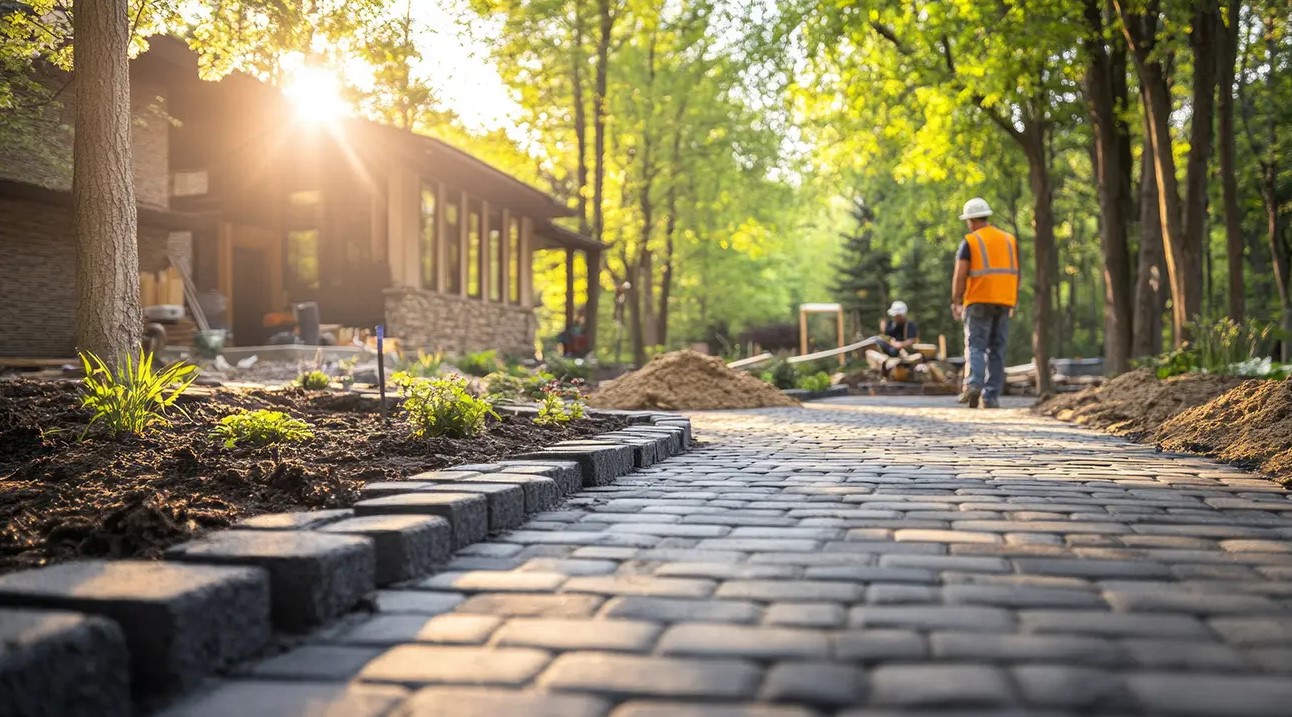
Use pavers for patio extensions. They install faster than thick slab pours, move with the soil better, and individual units can be lifted for utility changes later.
If you are weighing larger trade-offs across the yard, 10 Backyard Upgrades Worth the Los Angeles residential landscaping Investment and 12 Outdoor Living Features That Add the Most Value offer perspective on where dollars tend to return equity and enjoyment.
Where spending more pays you back
Upgrading the cover to an insulated roof with heaters, lights, and a fan extends the shoulder seasons and keeps guests comfortable. Premium counters that shrug off UV and stains avoid replacement cycles. Integrated lighting planned in layers, task, ambient, and pathway, creates a sense of place and safer footing, a point we explore in 10 Outdoor Lighting Ideas for Los Angeles Landscapes. Finally, professional design that coordinates drainage, structure, and utilities prevents the frustrating change orders that erode budgets.
Maintenance, longevity, and operating costs
An outdoor kitchen is a system, not just a set of metal boxes in the yard. Plan modest annual maintenance and you extend its life.
Grill care means cleaning burners and drip trays, checking igniters, and keeping covers in good shape. Refrigeration runs best when coils stay dust free and doors seal properly. If you install an ice maker, factor in filter changes and periodic descaling. Counters need the treatment appropriate to their material. Concrete benefits from regular sealing. Porcelain requires little beyond mild cleaners. Gas connections and flexible lines should be inspected annually.
Operating costs are dominated by electricity for refrigeration and lighting, and gas for cooking and heaters. LED fixtures, a high-efficiency fridge, and a grill that holds heat well reduce bills. Smart landscape design also helps. Shade trees or a pergola reduce heat gain on counters and decks, and drought-tolerant plantings lower irrigation spend, covered in Why Drought-Tolerant Landscaping Is a Smart Investment.
The Ridgeline process, step by step
To keep budgets predictable and schedules tight, we follow a disciplined design-build flow from concept to completion.
-
Discovery and site study. We walk the property, map utilities, evaluate grades and drainage, and document access constraints. You share how you cook and entertain, from quiet family dinners to large parties.
-
Concept design and budget alignment. We create scaled drawings and, when helpful, 3D views. Early appliance selections anchor electrical, gas, and venting requirements. We refine the plan until scope and budget align.
-
Engineering and permitting. Structural or hillside elements are engineered and submitted. Trade permits for gas, electrical, and plumbing are prepared.
-
Build and coordinate trades. Our crew handles demolition, trenching, base prep, masonry, and finishes. Licensed subcontractors perform rough and final utilities. Inspections are scheduled and passed in sequence.
-
Commissioning and handoff. We set appliance regulators, test ignition and burners, balance hood flow if installed, and walk you through maintenance. Photographs and manuals live in a project binder for future reference.
Clients appreciate that this sequence surfaces costs early, particularly utility upgrades and drainage, which are the most common drivers of surprises on projects that skip design depth.
How an outdoor kitchen integrates with the rest of the yard
Great kitchens feel inevitable, as if the home always had that outdoor room. Achieving that effect means tying materials, grades, and planting together. If your property includes a pool, How to Design a Backyard Around Your Swimming Pool and Pool Landscaping Ideas for Los Angeles Homes explain how to choreograph wet and dry areas without glare or slippery transitions. If your site requires grade changes, How to Choose the Best Retaining Wall Design for Your Property outlines aesthetics and engineering choices. For hillside lots, The Complete Guide to Retaining Walls in Los Angeles and The Complete Guide to Hillside Landscaping in Los Angeles explain structural approaches that support patios safely.
Lighting can make or break evening use. Avoid glare on cooking surfaces and hot spots on guests’ faces. Put switches where you naturally reach for them. If you are considering a fire pit nearby, 12 Backyard Fire Pit Ideas for Entertaining Year-Round and 15 Fire and Water Feature Ideas for Modern Landscapes show how flame and water can frame a kitchen without competing for attention.
What adds property value in Los Angeles
Not every dollar spent returns equally, but outdoor living improvements consistently rank near the top in Southern California for resale impact. Buyers respond to usable square footage outdoors. The strongest value signals in our market include:
A coherent hardscape that reads as an outdoor room rather than scattered pads. A kitchen with durable materials from recognized brands. Shade and lighting that extend useable hours. And drainage and grading that feel correct underfoot. For a broader view of features that influence appraisals and buyer interest, see 10 Hardscaping Features That Increase Property Value and 12 Outdoor Living Features That Add the Most Value.
Common pitfalls and how to avoid them
We see the same avoidable mistakes across projects that come to us half finished or in distress. Rushing appliance choices leads to wrong cutouts and change orders. Ignoring ventilation under a covered roof invites smoke-stained rafters and unpleasant cooking sessions. Skipping a dedicated space for trash forces an unsightly can into a corner. Failing to coordinate counter overhangs with door swing paths creates knuckle busters. Running a sink without planning a proper drain line or stud space for a vent often triggers a rebuild. For broader planning advice that saves time and money, review Why Professional Landscape Design Saves Time and Money and 10 Questions to Ask Before Hiring a Landscape Contractor.
Frequently asked expectations, answered plainly
How long will my countertops last in the sun? With porcelain or sintered stone, decades. With sealed concrete, many years if maintained. With marble, plan for patina and regular resealing, and accept etching as part of the look.
Do I need a hood? If your grill sits under a roof, yes. If the cover is a spaced pergola and the grill is positioned at the edge with open air, probably not. We size hoods for both capture area and CFM appropriate to the grill’s BTUs.
Can I put a kitchen on a deck? Yes, but it requires load calculations and proper waterproofing. Lighter modules or steel framing may be part of the solution. We often use porcelain pavers on pedestals to create a level, drainable surface that protects the membrane, an approach familiar from rooftop patios.
Will adding a kitchen affect drainage? It should, intentionally. New hardscape must usher runoff to planned drains. We slope subtly away from the home, capture water in area drains, and use French drains where needed. 10 Signs Your Yard Needs Better Drainage helps you assess existing conditions before you start.
Putting it together: a clear path to your budget
When clients call Ridgeline and ask, How Much Does an Outdoor Kitchen Cost in Los Angeles?, we answer with a range, then move quickly to specifics. The design, the utilities, and the site tell the truth. A candid conversation about how you cook, how often you host, and how the yard flows sets the foundation. Then we choose materials that fit the climate and your tolerance for maintenance. We engineer drainage and structure so the space ages gracefully. Only then do we lock appliances and finishes.
If your vision includes a broader transformation, from driveway approach to pool terrace, our team can orchestrate the entire composition. How Ridgeline Outdoor Living Designs Stunning Outdoor Spaces and How Ridgeline Outdoor Living Creates Functional Outdoor Living Spaces showcase projects where the kitchen is one part of a larger whole, tied together with planting, lighting, and hardscape.
An outdoor kitchen is a meaningful investment. Built well, it becomes the most used room on the property. Built hastily, it becomes a source of frustration. Start with clear priorities, an honest budget, and a process that respects both. The meals and memories will follow.
Business Name: Ridgeline Outdoor Living
Address: 845 E Walnut St, Pasadena, CA 91101, United States
Phone: (626) 469-5822
Ridgeline Outdoor Living
Ridgeline Outdoor Living is a Pasadena-based landscape design-build company serving Greater Los Angeles with custom outdoor living, hardscape, and drought-tolerant landscape solutions. The company specializes in patios, retaining walls, outdoor kitchens, drainage, hillside projects, and turnkey landscape construction, handling projects from design and permitting through final build and warranty.
845 E Walnut St, Pasadena, CA 91101, USA
Business Hours:
- Monday – Saturday: 8:00 AM – 6:00 PM
- Sunday: Closed
Follow Us: