Outdoor Kitchen Features with the Best ROI—Ridgeline’s LA-Focused Insights
Los Angeles rewards outdoor space that actually works. Sunshine most of the year, cool evenings along the basin, and neighborhoods where entertaining moves fluidly from living room to terrace change which outdoor kitchen features earn their keep. After designing and building hundreds of projects across the county, we see consistent patterns in what appraisers take seriously, what buyers pay a premium for, and what owners genuinely use after the novelty wears off. Good ROI in this category is less about gadgetry and more about comfort, durability, and day-to-day utility that fits the way Angelenos host.
What ROI really means for an outdoor kitchen in LA
Return on investment for outdoor kitchens shows up three ways: resale value, time-on-market advantage, and personal use value. In seller’s markets like the Westside, Pasadena, and parts of the Valley, we regularly see well-executed outdoor kitchens help a home sell faster and closer to ask. Appraisers rarely assign dollar-for-dollar value to lifestyle features, but agents report premiums for homes where the kitchen, dining, and lounge areas outdoors feel like a true extension of the interior.
In numbers, projects that cost 25,000 to 80,000 dollars often recoup 50 to 100 percent at resale, sometimes more in luxury segments with turn-key finishes. The top half of that range usually requires the right neighborhood comp set, a cohesive hardscape, and a layout that reads like a room rather than a collection of appliances. In other words, you are not just building a cooking zone, you are completing an outdoor living space. That is the part buyers reward.
Cost context that frames decisions
“How Much Does an Outdoor Kitchen Cost in Los Angeles?” is a question we answer weekly. Ballparks help. For a built-in grill, 10 to 12 linear feet of counter, storage, lighting, gas, water, and electrical, expect 28,000 to 45,000 dollars depending on access, utilities, and finish choices. Mid-tier projects with larger counters, a pergola for shade, a refrigerator, sink, and paver patio in the 400 to 700 square foot range often land between 55,000 and 95,000 dollars. Custom work with porcelain slab counters, stucco or stone veneer, a covered patio with heaters, integrated drainage, and hillside engineering can cross 120,000 dollars.
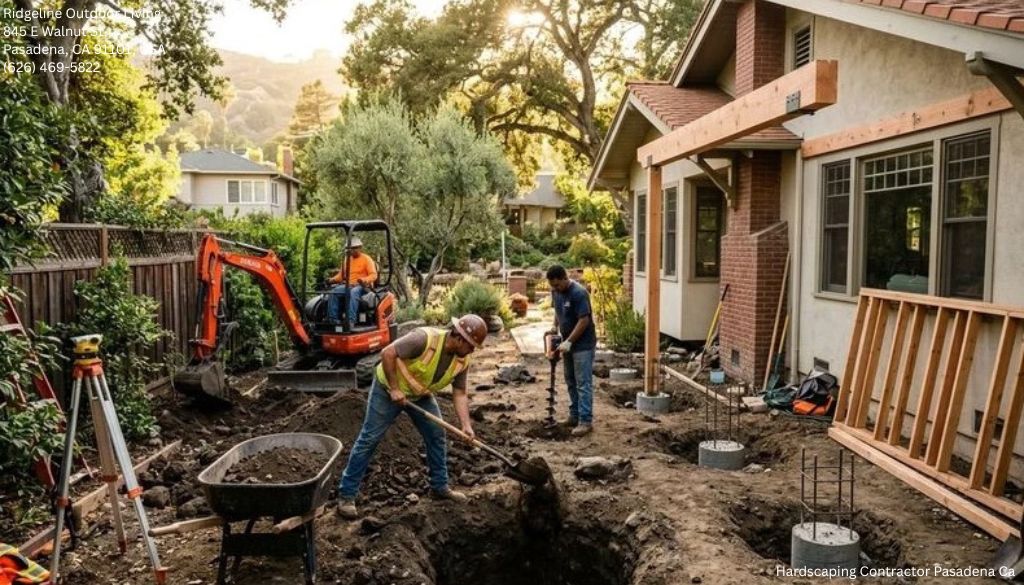
LA-specific cost drivers are easy to underestimate. Trenching long distances for gas or electrical, upsizing a meter for additional BTU load, moving a backflow preventer, coordinating with hillside retaining walls, or craning in materials to tight lots along canyons all amplify costs. Permits for gas and electrical are standard, and in very high fire severity zones, ember-resistant construction and clearances around fire features come into play.
Features that return the most value
When we analyze projects later with clients and agents, the same components float to the top.
A location that ties to the house, not the fence
Proximity to the indoor kitchen saves steps and makes both cooking and cleanup feel manageable. The sweet spot is within 15 to 25 feet of the back door, ideally on the same level. A kitchen jammed at the far edge of the yard looks good in photos but underperforms in real life. Buyers notice short, frictionless routes, especially in homes where the interior galley is compact and the outdoor zone relieves pressure while entertaining.
In hillside homes, elevation changes tempt owners to tuck the kitchen on a lower terrace. If stairs are required, comfortable 11-inch treads and 6 to 7-inch risers, consistent lighting, and a landing at the kitchen make or break usability. If that sounds like overkill, spend an evening carrying trays up and down three times and you will understand why buyers value this detail.
The built-in grill as the anchor
Most outdoor kitchens live or die on the grill. A 32 to 36-inch built-in natural gas grill serves 90 percent of households. We specify infrared landscaping guides rear burners and a heavy hood for heat retention, particularly on breezy foothill lots in Altadena or View Park. Propane has its place in accessory dwellings without easy gas access, but for long-term ROI in LA, natural gas convenience wins. Side burners see uneven use; consider them if you cook sides outdoors frequently, but do not sacrifice counter space for them in compact layouts.
Buyers read the grill the way they read a range indoors. A flimsy cart grill dropped into stone does not elevate licensed landscaping companies Pasadena a property. A well-vented, outdoor-rated unit, installed with proper clearances and a clean finish panel, signals quality.
Counter space and a simple, serviceable layout
We aim for 8 to 12 linear feet of uninterrupted counter next to the grill so you can prep, plate, and rest meats without juggling trays. L-shaped or straight-line runs work best in smaller yards. U-shaped stations and massive islands look impressive but can feel cramped if the patio is not scaled to them.
Counter materials drive perception and maintenance. Porcelain slab counters resist stains, UV, and heat, and they shrug off citrus and wine better than most granites. Engineered sintered stone like Dekton also excels in our sun. Polished concrete, properly sealed, is cost-effective and gives a contemporary look, though it requires resealing in high-use zones. Natural granite still works in shaded areas, but darker stones can get too hot in inland summer sun.
Shade and comfort you will actually use
More than any appliance, shade brings ROI because it extends the daily usability of the space. Pergolas vs covered patios is a common fork. A well-placed pergola with a polycarbonate or louvered top stops UV and light rain while keeping air moving. A fully covered patio with a solid roof allows heaters, fans, and integrated lighting, which turns shoulder seasons into prime entertaining time. The covered approach costs more but can return more because buyers see it as a room.
If you add one electrical feature beyond code minimums, make it layered lighting. Task lights under counters, ambient pendants or downlights overhead, and low-voltage path lights set mood and safety. Many Los Angeles homeowners are surprised how much value small, thoughtful lighting brings. We have a separate guide, “10 Outdoor Lighting Ideas for Los Angeles Landscapes,” that came out of hard-learned lessons fixing dim, glare-heavy patios. Avoid the common mistake of a single bright fixture that flattens everything and draws bugs.
Storage and a real trash plan
Nothing kills curb appeal like loose bins and towels. Dry storage for cookware, cutting boards, and seasonings, plus a pull-out trash and recycling drawer, pays back in daily convenience and in showing well during open houses. If you are in marine-influenced parts of the Westside, specify powder-coated aluminum or 304 stainless at a minimum for cabinets; 316 stainless is worth it within a mile of the beach.
Refrigeration that earns its power draw
An outdoor-rated beverage fridge or drawer unit closer to seating than to the grill gets heavy use during parties. Skip oversized glass doors in direct sun unless you add shade; compressors work harder and drink more energy. Full-size outdoor fridges look professional, but they rarely justify their cost unless you host large groups often.
A sink that keeps dishes outside
Even a cold-water bar sink removes a common point of friction. It will not replace the indoor sink, but it prevents wet, soapy marches through the house. Hot water requires either a tie-in to the domestic line or a small on-demand heater. In LA, that can trigger additional permitting and insulation requirements, so weigh the benefit. Many clients opt for cold only, plus a hose bib within reach for a quick spray-down.
Flooring that grounds the room
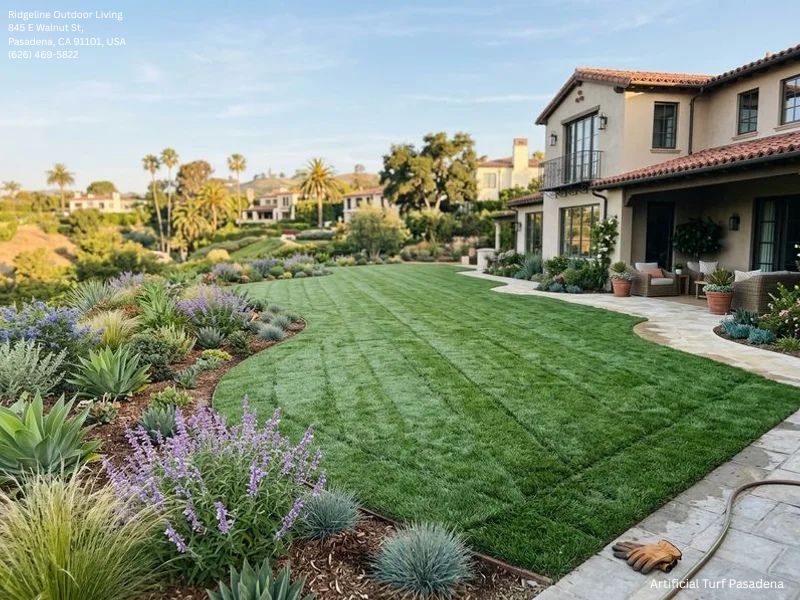
The best grills in the world will not salvage a kitchen sitting on a cracked slab. Flooring communicates the home’s overall quality. Paver patios perform well in our seismic region because they flex and can be repaired without demolition. We often show clients “Paver Patios vs Stamped Concrete: Pros and Cons” to align budget and priorities. Large-format porcelain pavers on pedestals create sleek lines and excellent drainage, an advantage when paired with artificial turf panels that break up heat and hardscape.
Tie the material palette back to the driveway or entry for cohesion. A nod to “15 Paver Patio Designs Los Angeles Homeowners Love” is not about trend chasing, but about repeating colors and textures buyers already admired on arrival.
Heating and fire features that pull evenings together
Few elements transform a backyard more than a fire feature. For ROI, a linear gas fire table or a well-executed circular pit with permanent seating stays busy year-round. If you go wood-burning, check local regulations, and know that smoke can be a problem on tight lots. Gas with proper media and wind guards delivers cleaner heat and easier operation. We maintain a long library of “12 Backyard Fire Pit Ideas for Entertaining Year-Round,” but the core holds: seat height at 17 to 19 inches, a footrest edge for comfort, and enough space around the feature so traffic flows without singeing calves.
Ventilation and safety baked in
Vent panels in the island base are non-negotiable for gas safety. Clearance to combustibles around grills and under roof structures is not a suggestion. We incorporate stainless heat shields where necessary and spec noncombustible surfaces near hoods. If the kitchen backs to a slope, wind management matters. A low glass wind screen can stabilize flames without boxing in views.
What upgrades tend to pay, and what is usually just for enthusiasts
We see patterns across budgets and neighborhoods. A handful of upgrades reliably deliver returns because they increase daily comfort, perceived quality, or maintenance simplicity.
Upgrades that usually pay in Los Angeles backyards:
- Louvered pergola or a solid roof over the kitchen with integrated lighting and heaters
- Porcelain or sintered stone countertops and large-format porcelain pavers for UV and stain resistance
- Natural gas line to the grill and fire feature for easy operation
- Outdoor-rated fridge drawers positioned near seating, not the grill
- Layered low-voltage lighting with dimmable zones and warm temperatures
Nice-to-have features that are best for committed cooks:
- Wood-fired pizza oven, unless you host often and want it as a showpiece
- Full bar buildouts with ice makers, which demand diligent maintenance
- Kamado or pellet smokers built-in, unless you smoke weekly
- Warming drawers that compete with storage in compact kitchens
- Overly large islands that shrink circulation and seating
We still build these when they match a client’s habits. The ROI conversation changes from resale math to quality-of-life math. A client in Studio City uses his pizza oven every Friday night with neighbors and swears it paid for itself in friendships. That is a return, even if an appraiser writes zero next to the line item.
Business Name: Ridgeline Outdoor Living
Address: 845 E Walnut St, Pasadena, CA 91101, United States
Phone: (626) 469-5822
Ridgeline Outdoor Living
Ridgeline Outdoor Living is a Pasadena-based landscape design-build company serving Greater Los Angeles with custom outdoor living, hardscape, and drought-tolerant landscape solutions. The company specializes in patios, retaining walls, outdoor kitchens, drainage, hillside projects, and turnkey landscape construction, handling projects from design and permitting through final build and warranty.
845 E Walnut St, Pasadena, CA 91101, USA
Business Hours:
- Monday – Saturday: 8:00 AM – 6:00 PM
- Sunday: Closed
Follow Us:
Drainage and drought realities that quietly protect value
Two invisible features determine long-term satisfaction: drainage and water-wise planting. Hardscape without graded drainage invites puddling and stained stone. We slope patios a gentle 1 to 2 percent away from structures, and we use linear trench drains or slot drains where door thresholds demand flush transitions. In clay-heavy soils, a French drain behind a retaining wall or at the base of a slope can be the difference between a clean patio and a winter headache. Our piece, “French Drains Explained: Protecting Your Property From Water Damage,” pairs well with kitchens because plumbing and trenches are already open.
On the planting side, drought-tolerant landscaping does not just save water, it sharpens the overall composition. Gravel bands, native grasses, and broadleaf evergreens bring texture without irrigation headaches. When clients ask “Artificial Turf vs Sod: What’s Best for Los Angeles Homes?,” we walk them through heat, maintenance, and pet use. Turf provides a tidy, green counterpoint to stone and metal, but it benefits from shade on hot exposures. The “Best Drought-Tolerant Plants for Los Angeles Yards” dovetail with kitchen zones where grease and foot traffic are realities.
Materials that stand up to sun, salt, and soot
LA’s microclimates punish the wrong materials and reward the right ones. In coastal zones, select 304 or 316 stainless for appliances and fasteners. Inland, powder-coated aluminum cabinets resist heat and will not rust. We seal porous stone veneers against smoke stains around grills and fire features, and we use polymeric sand between pavers to lock joints without sprouting weeds. For grout in tiled applications, epoxy-based options resist staining from red wine and oil.
Vent hoods outdoors do less than they do inside, but they still matter in semi-enclosed spaces and under roofs. Exterior-rated fans and hoods help control soot deposits on lighter finishes. Plan for easy access to grease trays, and keep a straight shot to the exterior for ducting where possible.
Two quick checklists that save budget and headaches
Pre-build readiness items that pay off:
- Verify utility capacity for added gas BTUs and electrical circuits
- Map drainage routes before finalizing patio levels
- Confirm setbacks, WUI restrictions, and HOA rules for fire features and roofs
- Test sightlines from inside the house to the outdoor kitchen and seating
- Plan appliance lead times to avoid redesigning around backorders
Design trims that stretch ROI without stretching budget:
- Use a single signature material, like a porcelain slab counter, and keep other finishes quiet
- Opt for a 36-inch grill with quality internals rather than a larger, lower-grade unit
- Place heaters over the dining area where guests linger, not just over the grill
- Add a single statement sconce or pendant to ground the space in evening light
- Tie patio edging to driveway or entry materials for a pulled-together story
Site constraints that change the calculus
Hillside properties transform the ROI conversation. Retaining walls, drainage, and access can consume a third of the budget before a single appliance is ordered. That does not mean the project is a bad idea. It means you are investing in the yard’s bones, which supports the kitchen and the rest of the landscape. If you are considering walls, our “Retaining Walls for Hillside Properties: What Homeowners Need to Know” and “How Retaining Walls Prevent Erosion on Hillside Properties” cover engineering, backfill, and waterproofing that keep patios stable.
Small lots demand tighter moves. We tend to compress appliances and liberate floor space. A straight run along the house with a 36-inch grill, compact fridge, sink, and 10 feet of counter often outperforms a freestanding island if it frees room for a real dining table. Circulation around the table, not the island, sells the space.
Three LA projects that show the math
A 1930s Spanish in Glendale. The yard had a narrow side terrace that was unused. We installed a 12-foot run with a 36-inch gas grill, porcelain counter, a bar sink, dry storage, and undercounter fridge. Paver patio, simple pergola with polycarbonate top, dimmable lighting. Cost: roughly 52,000 dollars. The owners hosted weekly, and their agent later said the terrace photographed like a second dining room. Appraiser comments noted “functional outdoor living.” The home sold for 3 percent above neighborhood average PPSF.
A mid-century in Sherman Oaks. The clients wanted a resort feel. We added a covered patio with heaters and fans, a 14-foot island with sintered stone, a natural gas fire table, and porcelain pavers stepping down to artificial turf. Drainage upgrades and electrical panel work added complexity. Total around 128,000 dollars. Not cheap, but the project unified an odd yard with level changes. When they refinanced, the appraiser did not assign full dollar-for-dollar credit, yet the agent shared that comparable homes without the outdoor room lagged on days on market. The couple stays in most Friday nights instead of going out. Personal ROI is high.
A beach-adjacent townhouse in Playa del Rey. Tight access forced modular aluminum cabinetry and a compact 32-inch grill with wind screen, plus a small beverage drawer. Salt air called for 316 stainless hardware. Cost around 34,000 dollars. That kitchen does not headline the listing, but it resolves a lifestyle annoyance beautifully. The owner works from the terrace most of the year, uses the grill thrice weekly, and appreciates that the materials have not pitted.
What not to skimp on
Utilities and drainage are not the place to economize. Undersized gas lines mean cool grills and frustrated cooks. Poor drainage means stained pavers and slick algae lines at the low spot. Lighting junctions tucked in hard-to-reach places become maintenance nightmares. Invest once in these back-of-house systems, and you will forget them. Skimp here, and you will think about them every rainy week and every evening you try to host.
We also advise against chasing every trend. “Outdoor Kitchen Trends Los Angeles Homeowners Are Choosing” often highlights bold colors, exotic stone, and elaborate bars. In our files, the timeless palettes resell better. Keep the bones calm and let furniture, planters, and art carry the personality. That makes it easier to refresh the space in five years without a remodel.
Integrating the kitchen into a larger hardscape plan
Kitchens deliver the best ROI when they fit within a larger framework of circulation, planting, and site lines. That is why many of our design-build projects begin with a master plan, even if we build in phases. For some clients we implement kitchen and dining first, then return later with a plunge pool or a water wall from our “12 Water Feature Ideas for Luxury Los Angeles Backyards.” Others start with grading and “How to Solve Common Yard Drainage Problems,” then circle back to the kitchen.
The point is not to do everything at once. The point is to set the elevations, utilities, and layouts so future phases slide in without rework. We call this the Ridgeline approach, and it is behind “How Ridgeline Outdoor Living Designs Stunning Outdoor Spaces” and “How Ridgeline Outdoor Living Creates Functional Outdoor Living Spaces.” Finish selection shifts project to project, but the sequencing logic holds.
Permits, codes, and timeframes you should expect
Most outdoor kitchens in LA require electrical and gas permits, sometimes a plumbing permit for the sink, and occasionally a building permit for a roof or structural elements. In Very High Fire Hazard Severity Zones, additional requirements affect roofing, screening, and clearances around open flames. HOA architectural committees in townhome communities sometimes need to sign off as well.
Lead times fluctuate. Quality grills and louvered pergolas can carry 4 to 12 week lead times. Porcelain slabs may require special order. A comfortable design-to-completion window for a mid-tier kitchen is 8 to 16 weeks, depending on permitting, lead times, and weather. Rushing this process to serve one party date usually costs more than it saves.
Where the rest of the yard comes in
While this piece zeroes in on kitchens, outdoor ROI compounds. Lighting that layers properly reduces “10 Outdoor Lighting Mistakes That Reduce Curb Appeal.” Planting that respects water constraints supports “Why Drought-Tolerant Landscaping Is a Smart Investment.” Hardscape cohesion borrows from “10 Hardscaping Features That Increase Property Value.” If a driveway renovates at the same time, tie the finishes back to “15 Driveway Paving Ideas to Improve Curb Appeal,” so the property reads as one thought, not four separate projects.
Seating layout matters as much as burners. Plan a dining zone that seats the number you host most often, not the maximum possible. A comfortable six with elbow room beats a cramped eight that no one uses. If your yard includes a pool, “Designing the Perfect Outdoor Dining Space” next to the shallow end encourages families to linger without wet footprints tracking inside.
A final word on choosing what to build
Start with how you live, then layer market expectations for your neighborhood. If you cook often and value simplicity, invest in a natural gas grill, real counter space, a sink, shade, and lighting. If you host big groups, expand counter and circulation, add heating and a fire feature, and keep appliances modest but durable. If your property is a hillside, budget early for grading, retaining, and drainage, then right-size the kitchen to what you can use weekly.
Ridgeline Outdoor Living’s Guide to Outdoor Kitchen Design goes deeper on layout rules of thumb and appliance spacing. When clients ask us about “Outdoor Kitchen Features That Are Worth the Upgrade,” we return to the same principle. Features that make you use the space more hours per week and more months per year usually pay back in both joy and resale. The rest are seasoning.