Ridgeline’s 10 Outdoor Living Ideas Transforming Los Angeles Backyards Now
Los Angeles backyards are no longer afterthoughts. They are places to gather, cook, work, and unwind in all four seasons. The best ones feel effortless on a summer night and still function after a January downpour. At Ridgeline Outdoor Living, we design and build with that full picture in mind. The city’s microclimates, hillside parcels, water restrictions, and fire codes shape our work as much as style preferences do. The following ten ideas reflect what we are building across neighborhoods right now, and why those choices hold up over time.
1. Paver patios that stay cool, drain well, and look custom
Pavers have become the backbone of outdoor rooms across Los Angeles because they solve several problems at once. Poured concrete can crack with soil movement and heat, especially on hillside lots where minor settlement is normal. Large-format porcelain can look slick but often feels too hard underfoot near pools. Quality concrete pavers, on the other hand, allow controlled movement, repair in small sections, and invisible drainage through joint lines.
On a recent project in Studio City, a 450 square foot dining terrace used a mix of 24 by 24 light limestone-look pavers in the center and a darker soldier course at the edge. The contrast defined the space without a single border plant. We used a permeable base with open-graded aggregate to let rain soak in, then directed overflow to a discreet swale. That patio stayed puddle free through an atmospheric river event.
Los Angeles homeowners looking for variation within a cohesive palette often blend patterns. Herringbone for high-traffic walkways, a stack bond for lounge zones, and a basket weave inset for the grill station create subtle shifts the eye reads as craftsmanship. If you are exploring styles, the range could fill a small catalog, which is why “15 Paver Patio Designs Los Angeles Homeowners Love” keeps circulating in our consults. Expect to budget roughly 18 to 35 dollars per square foot for standard paver installs, more for permeable or high-end formats with detailed borders.
2. Outdoor kitchens that earn their keep 300 days a year
When a kitchen layout supports how you actually cook, it gets used. That starts with the work triangle, storage within reach, and a protective cover that manages sun and occasional rain. In Los Angeles, venting and heat clearance matter year-round, and wind patterns play a role in where smoke goes. We design grill islands with at least 16 inches of noncombustible landing area on both sides of the grill, a pull-out trash, and a shallow pantry cabinet for oils and spices. If space allows, we add a prep sink. Refrigeration should land near bar seating, not in the cook’s way.
Costs vary with appliances and finishes. For a built-in gas grill, stone or plaster cladding, 12 to 16 linear feet of counter, a small sink, and electrical for lighting, most Los Angeles builds land between 25,000 and 60,000 dollars. Full suites with pizza ovens, refrigeration drawers, ice makers, heaters, and custom steel can exceed 100,000. Gas lines, electrical upgrades, and permits are common hidden variables. Asking the right questions early makes choices clearer.
Business Name: Ridgeline Outdoor Living
Address: 845 E Walnut St, Pasadena, CA 91101, United States
Phone: (626) 469-5822
Ridgeline Outdoor Living
Ridgeline Outdoor Living is a Pasadena-based landscape design-build company serving Greater Los Angeles with custom outdoor living, hardscape, and drought-tolerant landscape solutions. The company specializes in patios, retaining walls, outdoor kitchens, drainage, hillside projects, and turnkey landscape construction, handling projects from design and permitting through final build and warranty.
845 E Walnut St, Pasadena, CA 91101, USA
Business Hours:
- Monday – Saturday: 8:00 AM – 6:00 PM
- Sunday: Closed
Follow Us:
Cost planning checklist for Los Angeles outdoor kitchens:
- Utility work needed: new gas line, electrical subpanel, or water and drain
- Ventilation and heat clearances under any roof or pergola
- Counter materials that tolerate UV and heat, such as porcelain slab or polished concrete
- Weather protection for cabinetry, especially on coastal lots
- Seating sightlines and foot traffic around hot zones
Two materials have proven durable here. Porcelain slab counters resist UV better than quartz and do not etch like some limestones. Troweled architectural concrete, properly sealed, takes heat and weather well and can be refinished after years of wear. If you prefer natural stone, stick to denser granites with honed finishes.
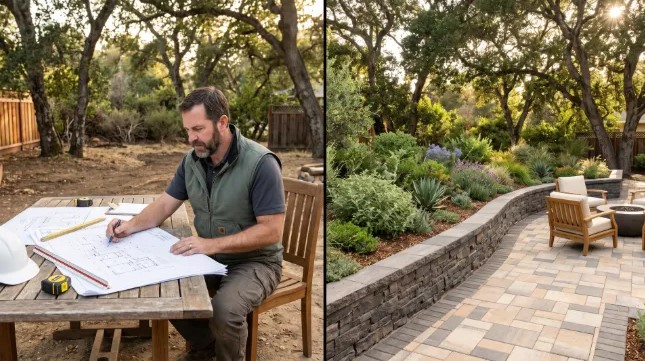
For homeowners chasing “Outdoor Kitchen Trends Los Angeles Homeowners Are Choosing,” we see integrated pizza ovens with fast heat-up times, narrow-profile beverage stations, and ceiling-mounted strip heaters tucked into pergolas. Those heaters extend use by 20 to 30 nights a year in canyon microclimates.
3. Fire features tuned for comfort and code
A well-placed fire feature turns a patio into a living room. The trick is matching scale and fuel source to the way you host. In hillside zones with sensitive brush, open wood-burning pits often fall under restrictions, while gas or propane becomes the practical choice. Rectangular linear burners create an elegant edge along a seating wall. Circular bowls invite conversation on tighter decks. If you want flexibility, we set fire bowls on reinforced pedestals so they can be reoriented for different layouts.
A Brentwood client entertained year-round and wanted a focal point that did not dominate. We built a 6 foot by 2 foot cast-in-place trough with a low 10 inch profile, wrapped in smooth plaster that matched the home. The flame felt present without blocking views, and the plaster absorbed just enough light to glow at dusk. Wind in that canyon can be fickle, so we specified a wind guard that sits flush when not in use.
LOS Angeles homeowners draw inspiration from “12 Backyard Fire Pit Ideas for Entertaining Year-Round,” but field conditions decide what works. Natural gas lines cost more up front but eliminate propane refills. Heat output benchmarks matter. A 60,000 BTU linear burner warms a tight lounge, while larger terraces need 100,000 BTU and reflective media to spread heat. Always plan 20 inches or more of ledge around a fire element for plates and glasses, otherwise guests use the ground.
4. Shade structures that feel like architecture, not afterthoughts
A backyard without shade is empty by noon. Two dominant choices show up in our design meetings: pergolas and covered patios. Pergolas frame space and filter light. Covered patios create a true outdoor room with weather protection. The right answer depends on sun angle, proximity to the home, and maintenance.
Pergolas vs covered patios, what to weigh:
- Sun control: pergolas filter, solid roofs block
- Weather: pergolas shed little rain, covers extend winter use
- Scale: pergolas suit smaller footprints, covers anchor full kitchens and lounges
- Codes: covered structures may trigger stricter setbacks and engineering
- Budget: pergolas often cost less per square foot than framed roofs with finishes
We often combine both. A slatted pergola aligned to the afternoon sun over the dining table, then a solid roof over the kitchen where appliances and soft seating need dry conditions. On the design side, steel posts with thin profiles read modern and endure coastal air. For a warmer tone, we specify aluminum pergolas with wood-grain finishes and adjustable louvers that close against light rain. If you are debating, “Pergolas vs Covered Patios: Which Is Right for Your Home?” is not local landscaping companies in Pasadena a hypothetical here. Your yard’s orientation, tree canopy, and neighbor windows dictate the call as much as aesthetics.
5. Drought-tolerant landscapes that still feel lush
Water-wise does not mean gravel and cacti unless that is your look. We plant for seasonality and place textures in layers, so even a tight palette reads rich. Upright forms like phormium or hesperaloe, mounding shrubs such as dwarf pittosporum or westringia, and low carpets like dymondia or thyme stitch together a yard that never looks thirsty. On coastal lots, pride of Madeira creates drama in spring, while toyon carries structure and berries deep into fall. Inland valleys appreciate citrus, olives, and palo verde for filtered shade that softens heat.
A Palms client wanted to replace a lawn that used about 25,000 gallons each summer. We reshaped the grade to create a broad, decomposed granite path through beds of lavender, salvia, and artemisia, then tucked a recirculating urn fountain by the lounge chairs. Monthly water use dropped by half. Bloom and fragrance rose. The city rebate helped pay for high-efficiency MP rotator heads where we kept limited turf for the dog.
For those comparing approaches, “The Ultimate Guide to Drought-Tolerant Landscaping in Los Angeles” and “The Best Drought-Tolerant Plants for Los Angeles Yards” align with what we put in the ground: plants that look good without coddling. We avoid thirsty exotics and choose drip zones with pressure-compensating emitters. Mulch to a 2 to 3 inch depth locks in soil moisture and cools roots. Tie planting plans to real irrigation design, not guesswork.
6. Water features that soothe without spiking the bill
A calm water sound can make a tight urban yard feel private. The key is recirculation, scale, and maintenance access. Sheer descent walls look sharp but can splash if exposed to wind. Basalt columns clustered in a gravel field give a soft percolation tone and use remarkably little water. We line basins with EPDM, install an easy-clean intake screen, and choose variable-speed pumps to dial sound and power use.
In Hancock Park, we recessed a 6 by 8 foot reflecting pool adjacent to a sitting wall. The surface sits flush with surrounding pavers, protected with a 1 inch lip to control splash. When the homeowners host, the pool becomes a mirror for string lights and stars. Evaporation rates in summer can hit a quarter inch per day, so we include auto fills tied to backflow-protected lines and set expectations for periodic top-offs. If you want more ideas, “12 Water Feature Ideas for Luxury Los Angeles Backyards” often sends clients toward narrow rills and small bowls that double as bird baths.
7. Lighting that layers safety, drama, and restraint
Great outdoor lighting hides the fixtures and reveals the architecture. We focus on three layers. First, safe passage along steps and edges with low-glare step lights and wall washers. Second, architectural highlights on key trees, stone walls, and the house’s texture. Third, a subtle sparkle with downlights from pergolas that mimic moonlight. We avoid the runway look of evenly spaced path lights. Instead, we stagger fixtures and use warmer 2700K lamps for living zones, slightly cooler 3000K for plant highlights that want a crisper edge.
Voltage drop matters on long runs. We specify heavier gauge wire and multi-tap transformers so the far end of a 150 foot circuit is as bright as the first light. On a Bel Air property with heritage oaks, we mounted miniature downlights high in the canopy with non-invasive straps and shielded lenses. The result is a dappled pattern that feels natural even on foggy nights. For reference, “10 Outdoor Lighting Ideas for Los Angeles Landscapes” gets it right, and “10 Outdoor Lighting Mistakes That Reduce Curb Appeal” covers the pitfalls, especially overlighting and glare.
Smart controls let homeowners dial scenes from their phone. A dinner scene dims path lights and warms tree uplights, while a party mode bumps brightness around the bar and pool. We place transformers where they can breathe and where maintenance crews can reach them without crawling through plantings.
8. Retaining walls, steps, and hillside solutions that protect value
Hillside living delivers views and breezes, but gravity never rests. Retaining walls are not just design features. They are safety and drainage strategies wrapped in finishes. On a Silver Lake slope, we replaced a failing timber wall with a terraced system of geogrid-reinforced concrete block, then veneered the face with hand-cut stone. The terraces created planting pockets, which cooled the wall and blended it into the landscape. Behind the wall, we installed a perforated drain wrapped in fabric and clear gravel, with outlets to a curb drain. After the first major storm, the property stayed dry.
Engineering is not optional above certain heights. In Los Angeles, retaining walls over 4 feet measured from the bottom of footing to top generally require permits and structural design. Many walls we build run between 45 and 100 dollars per square foot depending on height, access, and veneer. On hillside stair runs, we prefer short risers and deeper treads to make the climb feel easy, with landings that double as mini terraces for pots and views.
When clients ask, “Retaining Walls for Hillside Properties: What Homeowners Need to Know” or “How Retaining Walls Prevent Erosion on Hillside Properties,” the answer often starts with water. If water is not managed, walls lose. French drains, explained simply, are trenches with perforated pipe bedded in clean gravel that intercept groundwater and surface runoff before it loads the wall or saturates clay soils. Expect 30 to 60 dollars per linear foot as a planning range, more for deep or obstructed runs. Tie drains to daylit outlets or sump systems to keep water moving away from the home.
9. Smarter surfaces underfoot: artificial turf and natural lawn placed with intention
The grass question shows up in nearly every Los Angeles consult. Some clients want a soft play area for kids or dogs. Others want a green view without water. There is no single right answer. We often combine a small, irrigated natural lawn where barefoot time matters with strategic artificial turf where shade, heavy use, or narrow strips make real grass fail.
Artificial turf vs sod, how to choose quickly:
- Feel: natural grass wins underfoot, turf can feel warmer in summer
- Water: turf needs no irrigation, sod needs efficient drip or MP rotators
- Maintenance: turf asks for brushing and sanitation, sod needs mowing and seasonal care
- Longevity: quality turf lasts 10 to 15 years, sod can thrive indefinitely with good care
- Drainage: both need proper base, turf over compacted soil smells and pools
For artificial turf, the base makes or breaks the outcome. We excavate 4 to 6 inches, install compacted class II base, and add a thin bed of decomposed granite for smoothness. A Zeolite infill helps control pet odors. We assure edge restraint with hidden steel or concrete curbs so seams stay tight. On a Venice courtyard, 400 square feet of high-density turf turned a dim, high-traffic zone into a clean play pad that hoses down in minutes. For lawns that stay real, we select drought-tolerant fescue blends or hybrid Bermuda in sunny, active yards and design irrigation in hydrozones. “Artificial Turf Installation: Everything Los Angeles Homeowners Should Know” and “Artificial Turf vs Sod: What’s Best for Los Angeles Homes?” are both common requests, and the answer landscaping guides is often a hybrid yard.
10. Driveways and entries that lift curb appeal the moment you turn in
Your front approach sets expectations for the entire property. A striking driveway does not need extravagance. It needs proportion, durable materials, and crisp transitions. We are installing more permeable paver driveways that satisfy stormwater requirements and still look high end. A recent Pasadena home combined charcoal pavers in the tire tracks with a lighter field, then framed the edges with a ribbon of low planting. The garage receded visually. The entry felt intentional.
If you are exploring materials, “The Most Popular Driveway Materials in Los Angeles” typically centers on concrete, pavers, and gravel. Concrete can be elegant when jointed well and seeded with pebble, but repairs read as scars. Pavers win on serviceability. Gravel brings warmth but demands containment. For inspiration, homeowners keep pinning “15 Driveway Paving Ideas to Improve Curb Appeal,” which we distill into a few rules. Add a gentle sweep if cars have room to turn. Keep joints aligned with the home’s geometry. Use a different paver or scoring pattern at the apron to mark transition from public to private. Add lighting low and shielded so drivers are guided, not blinded.
As you adjust the front, consider gate automation, trash storage, and mail and parcel niches so the entry stays uncluttered day to day. A simple 2 foot by 4 foot package cubby near the pedestrian gate pays for itself in convenience within a month of deliveries.
Beyond the ten: the connective tissue that makes spaces work
A backyard is a system. Lighting without power planning, patios without drainage, or kitchens without shade all fall short. Three behind-the-scenes moves separate the good from the great. First, grading with intent. Subtle slopes, about 1 to 2 percent, keep surfaces dry without feeling tilted. We favor permeable details where possible, then route unavoidable runoff toward drains designed for leaf litter. “How to Solve Common Yard Drainage Problems,” “French Drains Explained: Protecting Your Property From Water Damage,” and “How to Prevent Yard Flooding With Proper Drainage Solutions” all point to a simple truth: move water slowly and predictably away from structures.
Second, power and gas rough-ins for the future. Even if your first phase does not include a spa or heat lamps, running conduit and capped gas lines under patios now can save thousands later. On a Westchester project, a 250 dollar sleeve under a new walk prevented a 4,000 dollar demolition when the homeowners added a fountain a year after the first phase.
Third, design for maintenance. Irrigation valves accessible in a neat manifold, transformers mounted above mulch, and hose bibs in the right corners make the yard kinder to you and your crew. Good design anticipates lived-in realities, like where guests put bags, where dogs run, or where sun hits your laptop if you work outdoors. That is the spirit behind “How Ridgeline Outdoor Living Creates Functional Outdoor Living Spaces” and “How Ridgeline Outdoor Living Designs Stunning Outdoor Spaces.” Beauty lasts when function supports it.
What projects actually add value in Los Angeles
Homeowners ask us what pays back. The answer depends on neighborhood comps and buyer expectations, but patterns appear. Hardscaping done well increases both daily utility and appraised value. “10 Hardscaping Features That Increase Property Value” often aligns with what we see on the ground: a quality paver patio, a modest outdoor kitchen, thoughtful lighting, and drought-tolerant planting that keeps water bills reasonable. In appraisal walk-throughs, we hear the same comments. Clean lines, usable zones, and materials that look expensive without shouting.
If you are pinning “10 Backyard Upgrades Worth the Investment” or “12 Outdoor Living Features That Add the Most Value,” keep an eye on longevity. Porcelain and pavers hold up. Composite decking does fine in shaded canyons, less so in full, hot sun without a cover. Gas fire features beat wood on maintenance and code. Pergolas, particularly custom steel or aluminum with motorized louvers, are having a moment because they deliver comfort that people feel immediately at a showing.
Costs, trade-offs, and timing in the Los Angeles market
Budgets vary widely by scope and site. A compact paver terrace with lighting and planting might start in the 40,000 to 75,000 dollar range. A full outdoor room with kitchen, shade structure, fire feature, drainage upgrades, and planting can land between 150,000 and 350,000, higher with complex hillside work or luxury finishes. Asking “What Does Hardscape Construction Cost in Los Angeles?” invites nuance. Access for equipment, export of soil, engineering, and utilities shift numbers more than tile choice.
We recommend design-build when timelines matter. One team coordinates the engineering for “The Complete Guide to Retaining Walls in Los Angeles,” the appliance specs for “Ridgeline Outdoor Living’s Guide to Outdoor Kitchen Design,” and the drainage for “Common Landscape Drainage Problems and Their Solutions.” That integration shortens permitting and limits finger pointing if conditions change mid-build. We routinely phase projects to stay cash-flow friendly, starting with grading, utilities, and main patios, then adding kitchens and shade in a second step.
For homeowners interviewing firms, the essentials in “10 Questions to Ask Before Hiring a Landscape Contractor” are sound. Ask for recent local references, verify license and insurance, request line-item budgets for utilities and drainage, and see shop drawings or 3D views of custom elements. You want a partner who can manage hillside inspections, gas pressure tests, and low-voltage load calculations without drama.
Designing around a pool without the resort gimmicks
Pools remain an anchor for many Los Angeles yards. The difference between a chaotic pool deck and a resort-caliber one is circulation and microclimate. We maintain at least 5 feet clear on the pool’s long sides for chaise movement and limit furniture on the spa end so toe stubs do not become a theme. In hot zones like the Valley, we add a pergola at the shallow end to shade bathers, not just loungers. Planting near water stays low litter to protect filters. Think podocarpus screens, aloe, and lomandra rather than jacaranda or feather grass.
“Pool Landscaping Ideas for Los Angeles Homes” and “How to Design a Backyard Around Your Swimming Pool” typically highlight material choices like porcelain pavers that stay cool underfoot and resist salt. We extend that thinking to lighting. Soft step lights on raised bond beams, fiber optics in water sparingly, and quiet path lighting set at knee height form a calm night scene. The whole point is to make the pool feel like it belongs to the house, not a separate attraction.
Common pitfalls and how to sidestep them
We are often called to fix projects that looked good on paper but failed in use. The patterns repeat. Oversized islands in tight patios that force sideways shimmying around bar stools. Fire bowls placed on wind channels that blow heat away. Decks that meet thresholds without a break, sending water under doors during storms. “10 Backyard Renovation Mistakes to Avoid” reads like a cautionary manual for a reason.
Permits are another tripwire. Covered structures, gas work, and retaining walls trigger city review. Build without them, and resale gets complicated. Program your schedule to include review times that can stretch from a few weeks to a few months depending on workload and complexity. We keep momentum by ordering long-lead materials early and sequencing site work while drawings are in review.
The throughline: comfort, water wisdom, and craft
There is a reason “Why Drought-Tolerant Landscaping Is a Smart Investment” shows up in so many conversations. The right plant palette, efficient irrigation, and permeable surfaces cut bills and reduce hassle, while looking elegant. Paired with thoughtful hardscaping and lighting, your yard becomes a daily asset, not weekend work.
The ten ideas here have one thing in common. They respect Los Angeles realities. Sun angles. Seasonal rains. Hillsides that move. Neighbors close by. When you combine that realism with a clear design intent, you get spaces that feel natural the moment you step outside.
If you are picturing changes at your place, start with how you live. Do you cook most nights or just on weekends. Do you host a dozen friends or two. Do you need a children’s lawn or a dog run. Then layer in the durable moves, the ones that hold value and stay comfortable. A patio that drains, a kitchen that cooks, a shade that softens the heat, a wall that holds its line, and a garden that drinks little yet gives a lot. That is where the transformation begins and endures.