Ridgeline’s Comprehensive Guide to Hardscape Construction Costs in Los Angeles
Across Los Angeles, hardscape work is part design, part engineering, and part logistics. The same 600 square foot patio that might be simple in the Valley can become a different animal in Silver Lake once you add hillside access, soils reports, and a six week wait for inspections. That is why neighbors with seemingly similar projects can compare quotes that differ by tens of thousands of dollars. The goal of this guide is to ground your budgeting in realities we see every week in the field, and to show how design choices, materials, and site conditions push numbers up or down.
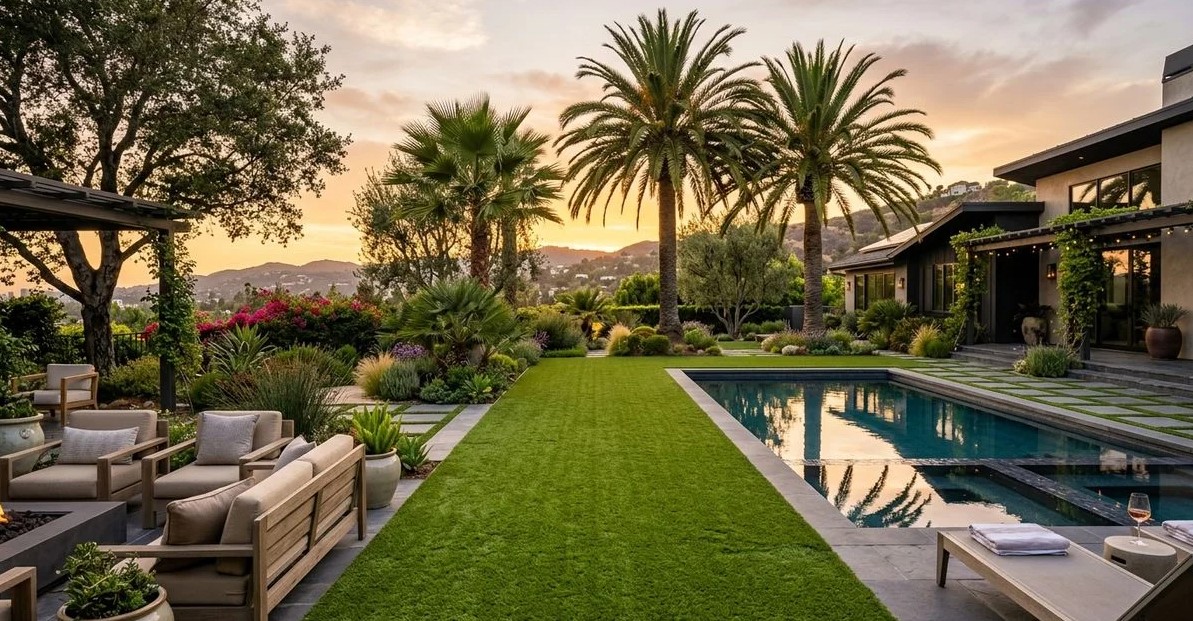
What drives cost in Los Angeles
Three forces dominate hardscape pricing here. The first is site access. If we cannot get a skid steer or delivery truck within 30 feet of the work area, you are paying for labor to hand carry, wheelbarrow, or hoist materials. The second is soil and drainage. Los Angeles soils range from beach sand to expansive clays. Managing water is nonnegotiable, especially with our episodic storms. The third is compliance. Permits, inspections, and engineering, especially on slopes, add time and professional fees, but they also protect your investment.
Another quiet driver is haul off. Old concrete, dirt export from excavation, and green waste carry tonnage fees at local transfer stations. On small lots with limited frontage, staged follow this link bins and extra trucking days compound costs. When you are comparing bids, ask how many tons of export are included. That one line item often separates a realistic proposal from a wishful one.
A quick reference to typical ranges
The numbers below reflect current pricing we see on permitted, professionally installed projects in Los Angeles. They assume average access, standard prep, and midrange finishes. Steeper lots, limited access, premium materials, or engineering will add to these figures.
- Paver patio or walkway installation: 25 to 45 dollars per square foot for concrete pavers, 40 to 70 for porcelain pavers on pedestals, 45 to 90 for natural stone set on an engineered base.
- Stamped concrete patio: 18 to 28 dollars per square foot for single color with light texture, 25 to 35 for multi color and complex patterns.
- Driveway paving: 16 to 24 dollars per square foot for standard broom finish concrete, 22 to 35 for decorative concrete, 28 to 55 for interlocking pavers depending on pattern and thickness.
- Retaining walls: 80 to 150 dollars per square foot of face for segmental block walls up to 4 feet, 150 to 350 for engineered masonry or poured concrete walls, more on steep slopes requiring caissons or grade beams.
- Outdoor kitchens: 15,000 to 45,000 for a linear run with grill, storage, and stone or porcelain finishes; 45,000 to 120,000 for L or U shapes with appliances, utilities, and shade cover integration.
- Fire pits and fireplaces: 2,500 to 8,000 for a gas fire pit depending on finish and gas run, 18,000 to 45,000 for outdoor fireplaces with chimney massing and flues.
- Pergolas and shade structures: 6,000 to 18,000 for prefabricated aluminum or cedar pergolas, 20,000 to 65,000 for custom wood or steel with lighting and footings, more for fully covered patios with roofing and gutters.
- Artificial turf: 12 to 22 dollars per square foot installed with standard base, 20 to 32 for premium turf with cooling infill and better drainage. High efficiency irrigation retrofit is usually additional.
- Drainage systems: 3,500 to 12,000 for targeted French drains and area drains tied to daylight or an approved discharge, 15,000 to 40,000 for comprehensive yard regrading with catch basins, sump pumps, and hardscape integration.
- Water features: 9,000 to 30,000 for self contained scuppers, cascades, or rills; 30,000 and up for architectural water walls and custom basins.
Use these as starting points. Site visits and design development will refine numbers quickly.
Paver patios, stamped concrete, and the long view
Choosing between pavers and stamped concrete is a decision about both aesthetics and lifecycle costs. Interlocking pavers typically start around 25 to 30 dollars per square foot when access is straightforward. The labor is higher than concrete because of the base preparation and the unit-by-unit set, but repairs are simple. If a tree root lifts a corner in five years, we pull a few rows, correct the base, and reset. With stamped concrete, the upfront cost is lower than pavers at similar size and pattern complexity. The tradeoff is cracking risk. Control joints help, but they compete with pattern lines and can distract from a slate or flagstone stamp.
Porcelain pavers have gained traction for modern Los Angeles patios because they deliver a clean look and resist staining. On pedestals over waterproof decks, they can be a smart solution. Expect to pay more for the pedestals and leveling. Real stone still carries unmatched texture, but it usually doubles the material cost and requires tighter craftsmanship, especially at pool edges and steps. If increasing property value is a goal, quality pavers or stone, well detailed, tend to appraise as a premium finish in the way that engineered hardwoods outperform laminates indoors.
We often advise homeowners to compare a 10 year cost profile. If stamped concrete needs a tear out and replacement because of significant cracking or unwanted settling, the lifecycle number can surpass pavers. That said, a modest courtyard with good soils and stable subgrade can do very well with stamped concrete and a careful joint layout.
Driveways and curb appeal
Driveways do heavy lifting for daily traffic, turning radii, and curb appeal. In many Los Angeles neighborhoods, a standard broom finish concrete driveway in the 16 to 24 dollars per square foot range is sufficient and durable. Decorative options like exposed aggregate, bands, or integral color climb into the high 20s and low 30s. Interlocking paver driveways start around the high 20s and can reach the mid 50s per square foot with pattern inlays, borders, and thicker pavers for vehicle loads.
Two items often missed in driveway pricing are base thickness and edge restraint. We prefer a minimum of 6 inches of compacted Class II base under drive surfaces, 8 inches where soils are weaker. For pavers, a concrete edge beam or concealed edge restraint keeps the pattern locked under tire forces. Where a driveway slopes toward the house, we integrate trench drains connected to a discharge point. Without that, you are paying later for water intrusion mitigation.
Outdoor kitchens, costs behind the sizzle
The question we hear most is, How much does an outdoor kitchen cost in Los Angeles? The honest answer is that utilities, appliance choices, and finishes dictate the range more than the linear footage. A compact 10 foot run with a quality 36 inch grill, access doors, undercounter storage, and stone veneer can land between 15,000 and 30,000 if utilities are close. Add a refrigerator, sink with proper drainage and venting, a paper towel drawer, and a porcelain slab countertop, and that same linear run might climb to 35,000 to 45,000.
Complex shapes and amenities scale sharply. An L shape or U shape with a pizza oven, side burner, warming drawer, ice maker, and integrated seating can easily cross 60,000 once you account for gas line upsizing, a dedicated electrical subpanel, and a reinforced slab to support mass. If you add a pergola or covered patio with lighting and heaters, expect structural footings, dedicated wiring, and permits to move the total into six figures. Homeowners who have done a kitchen remodel inside will find the budgeting process familiar. Drawings and an appliance schedule allow for precise bids and smoother inspections.
For longevity, we avoid wood framed islands outdoors. Steel or concrete block cores handle moisture and heat better. With our sun, porcelain slabs or Dekton surfaces outperform porous stones for stain resistance and low maintenance. As for trends, we see more clients choosing linear fire features adjacent to the kitchen rather than within the island, to keep heat away from cabinets and to create a social zone with flexibility.
Fire pits and fireplaces that work year round
A simple gas fire pit built to code with CSA listed burners and proper ventilation usually falls between 2,500 and 8,000, depending on finish. Running gas 50 feet through a finished yard with hardscape crossings can add another 2,000 to 6,000. Wood burning is often restricted by local ordinances and neighborhood rules, so gas remains the default. Outdoor fireplaces require a structural foundation, flue components, and careful consideration of clearances to property lines and overhead structures. Their mass makes them a focal element and a natural windbreak. On hillsides, we anchor these like small buildings, so engineering fees are part of the package. Done right, a fireplace anchors a four season seating area and pairs well with low voltage lighting that extends practical use into the evening.
If you are comparing 12 backyard fire pit ideas for entertaining year round, prioritize seating ergonomics. A 12 to 16 inch seat wall with a 36 to 44 inch conversation circle around a central flame creates natural flow. Avoid oversized pits that radiate heat away rather than toward people.
Retaining walls, hillside realities, and permitting
Los Angeles hillside properties demand respect. Retaining walls under 4 feet in height may be exempt from engineering in some jurisdictions, but that limit usually includes the footing and any surcharge from slopes or adjacent loads. In reality, anything retaining soil near a structure, pool, or driveway invites a plan check and inspections. Segmental block walls can be cost effective up to moderate heights with proper geogrid reinforcement and drainage blankets. We aim for 80 to 150 dollars per square foot of exposed face for these installations on accessible lots.
Masonry or poured in place concrete walls step in where loads increase, where a designer wants a plaster or stone finish, or where space is tight. Expect 150 to 350 dollars per square foot of face, more if caissons, grade beams, or tie backs are required. Add in soils reports, a structural engineer’s design, and permit fees, and soft costs can run 6 to 20 percent of construction on walls over 4 feet. The value is in performance. A well engineered wall with a proper drain behind it and a discharge path does not heave, stain, or weep onto your new paving.
Retaining walls also solve erosion. On steep lots, we step walls to create flat, usable terraces. The complete guide to hillside landscaping in Los Angeles would fill a book, but one lesson stands out. Water management first, planting second. Use drought tolerant plants with deep root structures on the slopes, but make sure there is a controlled way for water to leave the property when storms arrive.
Drainage, French drains explained, and why they cost what they do
There is a right time to install drainage. It is before concrete is poured, before turf is rolled out, and before planters are built. A French drain is not a mystical device. It is a perforated pipe wrapped in fabric and set in a gravel trench that intercepts subsurface water and conveys it to daylight, a dry well, or an approved municipal tie in. In Los Angeles clay soils, these systems need generous gravel envelopes and precise slopes. A typical 60 to 100 foot run servicing a side yard might range from 3,500 to 8,000, depending on obstacles, hardscape crossings, and discharge options.
Area drains, catch basins, and trench drains collect surface water. We tie these into the same outflow path and add clean outs for maintenance. When yards have multiple water sources or when finished floors sit near grade, we design pump assisted systems with basins and redundancy. Those projects enter the 15,000 to 40,000 range, but they protect interiors and foundations. If you have ten signs your yard needs better drainage, like puddling that lasts a day after a storm or staining at stucco bases, address those before investing in high end paving.
Artificial turf and drought tolerant planting around hardscape
Artificial turf versus sod is a perennial question. Installed correctly, turf sits over a compacted base with a fine grading layer that creates a cushion without trapping odors. In full sun, choose turf with heat reflective infill. Expect 12 to 22 dollars per square foot for mid grade installations and 20 to 32 for premium products with cooling and antimicrobial features. Sod is less expensive day one, often under 3 to 5 dollars per square foot installed with irrigation, but it carries a water and maintenance budget. With city rebates for turf removal and high efficiency irrigation, many homeowners combine modest turf areas with drought tolerant landscaping for play and pets while reducing long term costs.
Business Name: Ridgeline Outdoor Living
Address: 845 E Walnut St, Pasadena, CA 91101, United States
Phone: (626) 469-5822
Ridgeline Outdoor Living
Ridgeline Outdoor Living is a Pasadena-based landscape design-build company serving Greater Los Angeles with custom outdoor living, hardscape, and drought-tolerant landscape solutions. The company specializes in patios, retaining walls, outdoor kitchens, drainage, hillside projects, and turnkey landscape construction, handling projects from design and permitting through final build and warranty.
845 E Walnut St, Pasadena, CA 91101, USA
Business Hours:
- Monday – Saturday: 8:00 AM – 6:00 PM
- Sunday: Closed
Follow Us:
We design hardscape edges so drip lines for climate appropriate planting integrate cleanly. The best drought tolerant plants for Los Angeles yards like manzanita, ceanothus, and sages perform beautifully when they are not drowning at the edge of impermeable paving. That is a detail we manage with grade breaks and permeable joints where appropriate.
Lighting, utilities, and the night economy of your yard
Outdoor lighting is one of the highest return upgrades for both aesthetics and safety. A basic low voltage system with a transformer, ten to fifteen fixtures, and smart controls runs 3,500 to 7,500 installed. Complex estates with zoning, smart integration, and specialty fixtures can reach 20,000 and more. The most common outdoor lighting mistakes that reduce curb appeal are overlighting and glare. Warm color temperatures and subtle washes on vertical planes read better than bright hotspots.
Plan utilities early. Conduits for future lighting, speakers, or a pergola heater are inexpensive to place before hardscape is built and costly to retrofit. When you budget paving, include sleeves under walkways and driveways at key locations.
Permits, inspections, and project sequencing
Not every hardscape element requires a permit, but many do. Gas lines, electrical work, new drains that connect to the street, and any structure with footings or a roof will involve the city. Los Angeles plan check timelines and inspection windows vary by district and workload. Build the calendar into your expectations. For example, a custom covered patio with lighting might need two to four weeks for plan development, four to eight weeks for plan check, and then inspections at footing, framing, rough electrical, and final. The presence of permits is not red tape for its own sake. It is documentation that lenders and future buyers value when they see outdoor living features in an appraisal report.
Sequencing work carefully prevents rework and protects finishes. We start with grading and drainage, stub in utilities, build retaining and seat walls, then install flatwork and vertical features like kitchens or pergolas. Planting, lighting fixtures, and turf follow. If you reverse that order, you risk trenching through new patios to add a forgotten gas line.
Case examples from recent Los Angeles projects
A Mid City family wanted a 500 square foot entertaining patio, a 12 foot kitchen run with a 36 inch grill and fridge, and a gas fire pit. Access was average through a side gate. The paver patio and steps priced at 27,500 using a midrange paver. The kitchen with concrete block core, porcelain slab countertop, stone veneer, grill, fridge, doors, and GFCI circuits came to 28,400. Gas line upsizing to meet grill and fire pit BTUs added 2,800. The fire pit with lava rock and stucco finish was 4,900. Lighting and irrigation adjustments were another 5,200. The entire project, permitted for gas and electrical, landed near 71,000 and took eight weeks including inspections.
On a Sherman Oaks hillside, a homeowner needed a 60 foot retaining wall to terrace a rear slope and add a 350 square foot porcelain paver deck. Soils showed expansive clays, and the wall backed a neighbor’s pool. Engineering required a stepped masonry wall with a grade beam and drains daylighting to the street. The wall, including permits and engineering, came in at 168,000. The deck on pedestals over a waterproof membrane added 31,000. Access required a small crane day for materials, adding 4,500. This was not a low budget project, but the result created two flat usable spaces from a previously unwalkable hillside and protected the home from ongoing erosion.
A Westchester homeowner asked for a new driveway, entry walk, and drought tolerant front yard with lighting. We priced a broom finish concrete driveway at 21 dollars per square foot, 1,000 square feet total, including rebar dowels at the garage and a trench drain at the apron, for a total near 21,000. The entry walk in 400 square feet of stamped concrete with a light sand color added 9,800. Planting, drip irrigation, and lighting with twelve fixtures came to 14,200. This project transformed curb appeal for around 45,000 and reduced water use dramatically.
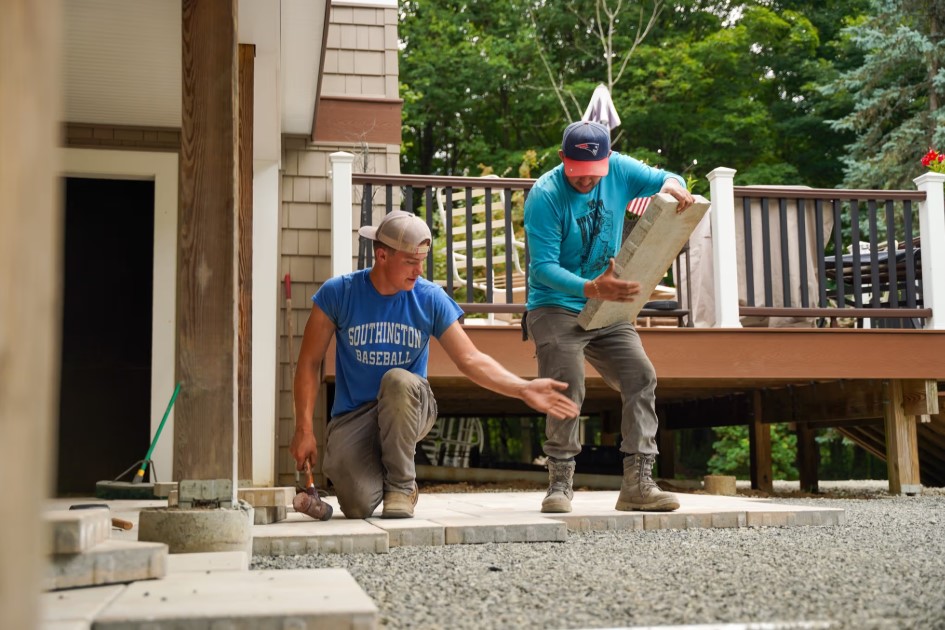
Value, resale, and where to spend
If your goal is to increase property value, focus on permanence, function, and proportion. A well built paver or stone patio, a coherent lighting plan, and a shaded dining area have broad appeal. Outdoor kitchens add value when they feel integrated and when appliances are from brands appraisers recognize. A pergola or covered patio reads as additional living area, especially when tied to the home’s architecture. Retaining walls that create flat lawn or play space on a hillside lot do more for value than a costly water feature with narrow use.
On the materials side, spend money where eyes and hands linger. Comfortable seating edges, smooth countertop finishes, and well detailed steps make the space feel expensive even if the subgrade is straightforward.
How design affects both experience and budget
Bringing a designer in early saves money. A clear plan avoids change orders, and good layouts reduce waste. For example, 24 by 24 inch porcelain pavers spaced at 3 or 6 inches fit many yards with minimal cuts, which reduces labor and material scrap. Aligning a fire pit with the prevailing breeze reduces smoke issues even with gas, since wind still influences flame pattern and comfort. Thinking about sun paths informs where shade is worth a premium. When we help clients plan ten outdoor living ideas transforming Los Angeles backyards, we often land on fewer, better features arranged for daily use rather than a catalog of parts.
Design build also clarifies codes. Pergolas versus covered patios is more than a styling choice. A pergola is an open structure and often does not require roofing permits, whereas a covered patio with a solid roof enters structural and sometimes energy code territory if lighting is integrated. The cost difference is real. Pick based on how you plan to use the space in July and in January.
Managing unknowns and contingencies
Even with soil borings and a detailed survey, underground surprises happen in older Los Angeles neighborhoods. Buried concrete, abandoned irrigation, and undocumented utilities appear often. We encourage setting a contingency of 8 to 12 percent of construction for most flat lots, and 12 to 18 percent on hillsides. Transparent allowances for appliances, stone selection, and lighting fixtures let you tune finishes without reworking the base scope.
Where demolition is involved, test for lead based paint and asbestos in older structures before grinding or cutting. Abatement, if required, carries both cost and schedule impacts, but it is far better than a mid project stop order.
Five smart questions to ask any landscape contractor
- What specific base depths, compaction standards, and reinforcement are you including for each surface and wall?
- How are you handling drainage, and where does stormwater discharge on the final plan?
- What is excluded from your bid, and what allowances are you carrying for appliances, lighting fixtures, and stone?
- How will inspections and permits be sequenced, and who is responsible for drawings and fees?
- How will access, haul off, and staging be managed to protect my property and control costs?
Good answers signal professionalism. Vague, all inclusive quotes without technical detail often lead to friction later.
Timing, neighbors, and lived experience tips
Expect six to ten weeks for a typical backyard landscaping guides scope without major structures, and three to six months for hillside work with engineering and permits. In denser neighborhoods, talk with neighbors about staging, work hours, and temporary parking changes. A brief note and a phone number posted at the site fence saves a dozen small headaches. If you are adding features like a water wall or a scupper, confirm pump noise and water splash patterns. We test and tune these elements because angry neighbors are not part of a luxury landscape.
Protect trees. On lots with established ficus or oaks, plan root zones carefully. If a driveway or patio inevitably crosses a root field, consider permeable pavers and root pruning under an arborist’s guidance. Damaging a mature tree is expensive in every sense.
Bringing it all together
Hardscape construction in Los Angeles is a craft framed by municipal realities and soil physics. Budgets are healthy when design is clear, water has a controlled path, and access and export are addressed up front. If you map your wish list against the ranges here, a pattern emerges. Put structure, drainage, and circulation first. Layer outdoor kitchens, shade, and fire features next. Finish with planting, lighting, and details that make the space sing. That sequence delivers outdoor living spaces that feel like a natural extension of the home, stand up to time, and appraise well when it is time to sell.
When you are ready to explore specifics, bring a site plan, a few photos of spaces you love, and a realistic range you are comfortable investing. With those in hand, a design build team can turn ten backyard upgrades worth the investment into a plan that respects your property’s constraints and amplifies the way you live.