Ridgeline’s Favorite Drought-Tolerant Plants for Los Angeles Yards
Every Angeleno gardener learns this truth eventually: your landscape succeeds or struggles based on how well it matches our climate. Los Angeles sits at the meeting point of coastal influence, basin heat, and mountain winds. We get long, dry summers, cool winters with sporadic downpours, clay in some neighborhoods and decomposed granite in others. A beautiful, resilient yard here is not an accident. It is a set of smart, context-specific choices, starting with plants bred by nature or by careful selection to thrive on little water.
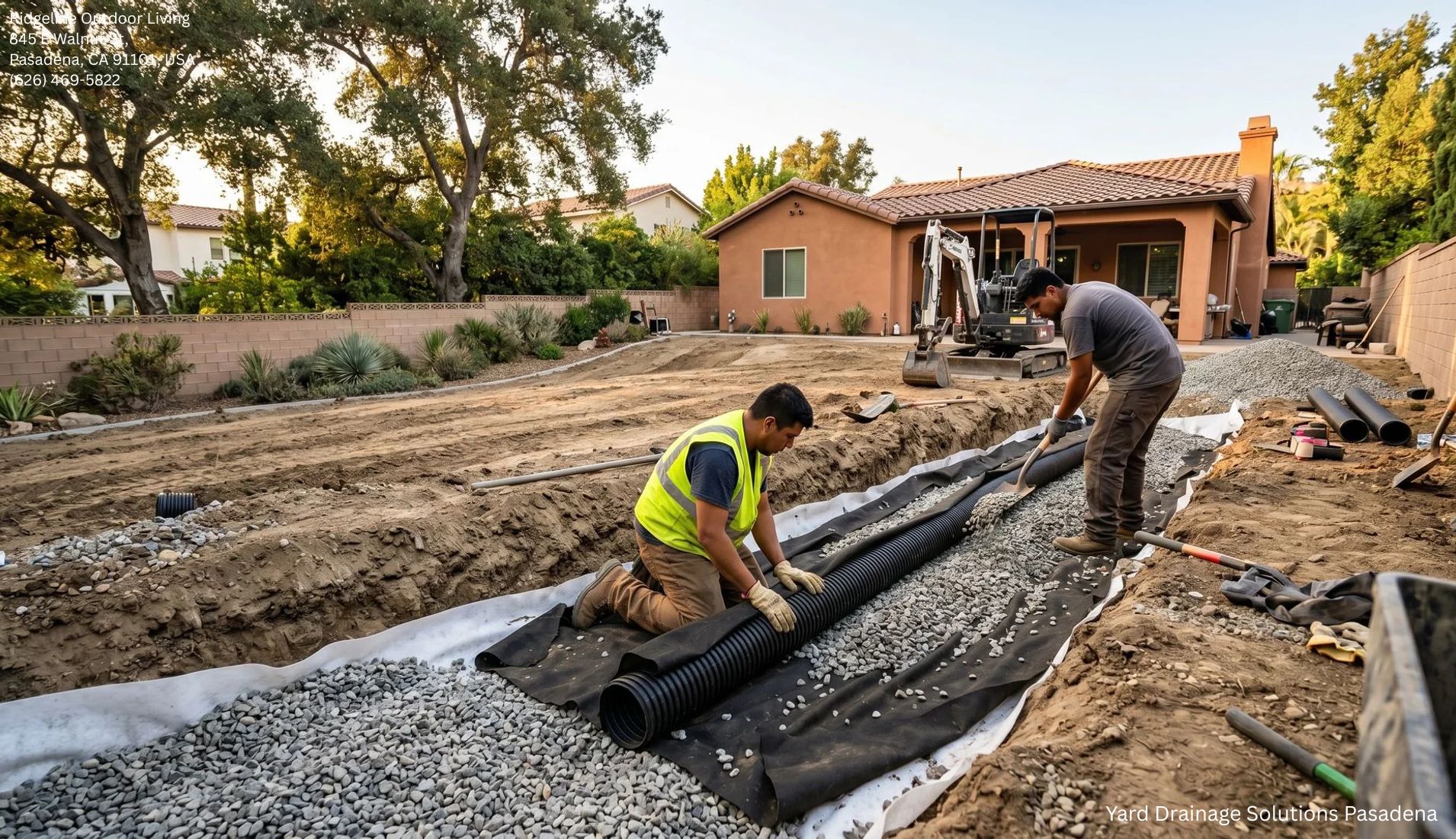
At Ridgeline Outdoor Living, we build outdoor spaces across microclimates from Topanga to Pasadena, down through Culver City and over to the South Bay. The following plants have proven themselves on real jobs, in real droughts, and through the occasional atmospheric river. They are not only low water. They offer presence, color, and structure through the year, and they cooperate with lighting, hardscape, and the way Angelenos actually use their yards.
How we select drought-tolerant plants that work
A low-water plant list is not hard to find. The challenge is choosing the right plant for your specific site. Our criteria are practical:
- Proven performance in local microclimates, not just theoretical drought ratings.
- Strong root systems that can handle clay pockets or sandy seams without constant intervention.
- Visual impact with a long season of interest, ideally multiple functions such as erosion control or pollinator support.
- Safe placement around people and structures, meaning we avoid spiky species near walkways and aromatic, high-oil shrubs in tight wildfire zones.
- Honest maintenance requirements. Some drought-tolerant stars still need seasonal shaping or a deep soak during heat waves.
Those benchmarks guide the plant palette below, grouped by the roles they play in a coherent Los Angeles landscape.
Trees that earn their water
A good tree defines a space, moderates heat, and increases property value. In drought-aware design, we lean toward moderate-size canopies that handle reflective heat from paving and stucco.
Desert willow, Chilopsis linearis, is a reliable small tree for sun-blasted patios. It stays in the 15 to 25 foot range, offers orchid-like flowers from late spring into fall, and accepts deep, infrequent irrigation once established. We used it along a pool in Woodland Hills, pairing it with low-voltage uplights aimed through the canopy. The shadows in the evening sell the whole yard, and water demand is minimal by year three.
Fruitless olive, typically the Swan Hill or Wilsonii varieties, brings a Mediterranean calm to courtyards and terraces. The silvery foliage reads cool on hot days. It prefers sharp drainage but manages fine with amended clay if you avoid frequent shallow watering. Keep emitters at the dripline and water deeply. As a bonus, its root systems are generally less aggressive than ficus, reducing hardscape conflicts.
Strawberry tree, Arbutus x ‘Marina’, is a designer favorite for front yards where you want year-round polish without fuss. The coral bark peels attractively, the evergreen canopy remains tidy, and the red fruit feeds birds. It takes coastal wind and inland heat, and it works especially well near modern or Spanish architecture.
Western redbud, Cercis occidentalis, is an excellent multi-trunk accent at 10 to 18 feet. It lights up early spring with magenta blossoms, then settles into a modest water budget for the rest of the year. Plant it where it can catch winter rain off a roof edge or near a swale. We like it among boulders with blue fescue and groundcover yarrow.
Desert museum palo verde, Parkinsonia x ‘Desert Museum’, is unmatched for filtered shade over decomposed granite courts, outdoor dining spaces, or driveways. It combines a sculptural green trunk with airy foliage and yellow blooms. Aim for a single deep soak every two to three weeks through summer in year two, then less as the canopy matures.
Note a caution for coast live oak, Quercus agrifolia. It is iconic, habitat-rich, and drought adapted, but it dislikes summer irrigation against the trunk. If you inherit an oak, keep all new irrigation outside the dripline. If you plant a new oak, program your controller for very deep, very rare water. Done right, you gain the purest California backbone a garden can have.
Shrubs and subshrubs that define structure
Cleveland sage, Salvia clevelandii, puts out a strong fragrance after the first heat wave and carries lavender-blue blooms on whorled stems through early summer. In Los Angeles gardens it will usually top out around 3 to 5 feet high and wide. Give it full sun and air flow, then cut it back in late winter by a third to keep a compact mound.
Business Name: Ridgeline Outdoor Living
Address: 845 E Walnut St, Pasadena, CA 91101, United States
Phone: (626) 469-5822
Ridgeline Outdoor Living
Ridgeline Outdoor Living is a Pasadena-based landscape design-build company serving Greater Los Angeles with custom outdoor living, hardscape, and drought-tolerant landscape solutions. The company specializes in patios, retaining walls, outdoor kitchens, drainage, hillside projects, and turnkey landscape construction, handling projects from design and permitting through final build and warranty.
845 E Walnut St, Pasadena, CA 91101, USA
Business Hours:
- Monday – Saturday: 8:00 AM – 6:00 PM
- Sunday: Closed
Follow Us:
White sage, Salvia apiana, provides a luminous gray accent, best used as a specimen or repeated at intervals along a dry path. It can look leggy if overwatered, so plant on a slope or berm where drainage is sure, and resist the urge to pamper it mid-summer.
Ceanothus, California lilac, is a broad category, but the varieties ‘Yankee Point’ and ‘Ray Hartman’ suit most home landscapes. ‘Yankee Point’ forms a 2 to 3 foot ground-hugging shrub with spring bloom that draws native bees by the thousands. ‘Ray Hartman’ can be trained as a large shrub or multi-trunk small tree in the 12 to 20 foot range. Both want lean soil and minimal summer water once established. Heavy irrigation shortens their lifespan, so design the zone accordingly.
Arctostaphylos, manzanita, gives hard-to-match bark and winter bloom. Choose a form suited to your site. ‘Howard McMinn’ tolerates heavier soils and urban conditions and typically stays under 6 feet. ‘Dr. Hurd’ develops a beautiful open structure, perfect as a sculptural front yard feature. Lightly tip-prune after bloom to keep a clean silhouette. Avoid hard pruning into old wood.
Westringia fruticosa, coastal rosemary, is not a true rosemary but behaves like a neater, more water-wise cousin. It holds a tight shape with a couple of yearly touch-ups and handles coastal wind as well as Valley heat. The compact varieties work as low hedges against modern architecture or as gentle backdrop for more expressive flowering perennials.
Leucophyllum frutescens, Texas sage, responds to humidity shifts with flushes of purple blooms, useful for inland tracts where afternoon thunderstorms are rare but monsoonal moisture drifts in. Put it on a low water schedule and it stays dense and floriferous without constant clipping.
For spots that need a soft, evergreen filler without constant irrigation, Baccharis pilularis ‘Pigeon Point’, a groundcover coyote brush, spreads 1 to 2 feet high and several feet wide, gripping banks and covering bare soil. We use it as a living mulch between boulders on hillsides where retaining walls handle the major grade change and plantings stabilize the surface.
Succulents and sculptural accents
Agave attenuata should be the default choice when you want agave form without spines, especially near front walks, pools, or children’s play spaces. It reads modern and Mediterranean alike. Avoid overwatering during hot nights, which can promote rot. Pups fill in a colony effect over time.
For a tighter, glowing edge along a path or stair, Agave ‘Blue Glow’ stays compact and carries a red margin that picks up beautifully with warm-toned pavers. Give it good drainage and a few hours of full sun. We often set a 2 foot spacing on center for a graphic, low-silhouette border.
Aloe arborescens turns on the heat with winter bloom. Its coral spires brighten gray January days and feed hummingbirds when other nectar is scarce. It handles coastal chill and inland heat, and it pairs well with soft grasses for a textured matrix.
Aloe ‘Blue Elf’ stays smaller and tidier for tight spaces or courtyards, again offering winter color on low water. Use it in repetition between boulders or against a stucco wall for sculptural rhythm.
Hesperaloe parviflora, red yucca, is neither red nor a true yucca, but it thrives as if born for local parkways. Its arching leaves and coral bloom stalks handle reflected heat off concrete and asphalt. It is also one of our top choices beside driveways where side mirrors and doors need clearance, since it flexes instead of poking.
Senecio mandraliscae, blue chalksticks, forms a cool-toned mat that suppresses weeds and sets up a strong color dialogue with warm decomposed granite and dark steel edging. Keep it out of foot traffic zones, as stems snap easily. In narrow parkways we sometimes mix it with dymondia to widen the traffic tolerance.
Use cacti with intention. Opuntia and golden barrel can be spectacular, especially in mass on Pasadena landscapers a sunny slope, but keep them well away from play, pet, and grilling areas. If you commit to spines, fence off maintenance access and plan lighting carefully to avoid glare into needles.
Grasses and grass-likes that carry the composition
Muhlenbergia rigens, deer grass, is a backbone species, arching into 3 to 4 foot mounds with tawny bloom stalks. It reads naturalistic and modern at once. Cut it down to a low tuft every two or three years in late winter to refresh. It accepts little to no summer water once established, though an occasional deep soak preserves form in heat waves.
Lomandra ‘Breeze’ is not a grass but acts like one. It is evergreen, soft at the edges, and it tolerates a bit of overspray or errant irrigation better than true natives. We use it along pool fences or near entries where green through winter matters.
Festuca glauca, blue fescue, works as a small clumping rhythm in tight spaces and containers. It is a simple way to get visual coolth against darker pavements, especially in the South Bay where ocean air reduces heat stress.
Carex pansa, dune sedge, serves as a low-water lawn alternative for small courtyards and side yards that need soft footing but not soccer-level durability. It performs best with deep, infrequent irrigation and a quarterly trim. It is also more forgiving of shade pockets than many warm-season grasses.
For a looser meadow in larger yards, Nassella pulchra, purple needlegrass, is a native with restless movement. Combine it with yarrow and buckwheat for a habitat patch that glows in backlight and asks very little after its first year.
Groundcovers that hold soil and tie spaces together
Dymondia margaretae is a reliable joint-filler between stepping stones and across sunny parkways. It holds up to light foot traffic, suppresses weeds, and sips water. In narrow city strips where sprinklers once fed thirsty turf, a combination of dymondia and hesperaloe cuts water use dramatically while adding curb appeal.
Kurapia, a sterile Lippia nodiflora cultivar, forms a dense mat, flowers periodically, and handles a range of soils. It needs modest irrigation compared to turf and accepts limited foot traffic, perfect for play-adjacent areas where kids wander off the hardscape.
Yarrow, Achillea millefolium, functions equally well as a groundcover or border perennial. Native selections like ‘Sonoma Coast’ hold color in summer with occasional deep water, and the flat-topped blooms bring beneficial insects. We often alternate yarrow swathes with boulders and salvias to break up large front yards where a single-texture solution would feel monotonous.
Myoporum parvifolium covers ground fast and resists drought once rooted, but it can be overly vigorous near walks and should be placed where its spread is an asset, not a chore. Choose the fine-leaf prostrate form for a neater look and plan a strong mow strip or steel edge where you want it to stop.
Perennials and flowering anchors
Eriogonum giganteum, St. Catherine’s lace, wears large, rusting flower plates through summer, stunning with low backlighting. It thrives on reflected heat from stucco and masonry and works well above retaining walls where you want bloom and bulk without constant water. It also feeds pollinators late into the season.
Romneya coulteri, matilija poppy, is dramatic and unruly in the best way, with crepe-paper white flowers in early summer. It prefers to choose its own place in the garden. Plant a container within a container to curb spread, or give it a defined area behind a seating wall and let it take over. It laughs at drought once established.
Penstemon spectabilis, showy penstemon, brings electric spring color and draws hummingbirds. It wants drainage and resents overwatering. Treat it like a seasonal highlight. Interplant with evergreen bones, so when it rests, the composition holds its shape.
Lavenders, especially Lavandula x intermedia cultivars like ‘Provence’ and ‘Grosso’, give fragrance and a clear Mediterranean signal. They need full sun and dislike heavy, frequent irrigation. Space them for airflow to reduce summer humidity around the crown. In fire-prone canyons we reduce mass plantings of high-oil shrubs immediately around structures and use them as accents farther out in the garden.
Rosemary has similar water thrift and culinary appeal, but we use trailing forms carefully near outdoor kitchens to avoid grease accumulation and to reduce fuel load near landscaping guides structures. Where used, hard prune once a year to keep it tight and leggy growth away from grills and lighting.
Native buckwheats: small inputs, high returns
Beyond St. Catherine’s lace, smaller buckwheats like Eriogonum fasciculatum, California buckwheat, sustain bees through hot months and hold slopes. Versions such as ‘Dana Point’ and ‘Warriner Lytle’ stay compact, 2 to 3 feet, and excel on hot banks where sprinklers would be wasteful and erosion a risk. When we pair buckwheats with rock mulch and a few boulders, the aesthetic is both purposeful and honest to place.
Plant combinations that work across styles
A coastal modern palette often centers on cool grays, sand tones, and strong geometry. For that look, combine Agave attenuata, Westringia, blue chalksticks, and deer grass against poured-in-place concrete or large-format pavers. Low, linear lighting under steel-edged planters brings out form at night. Many homeowners reference 10 Outdoor Lighting Ideas for Los Angeles Landscapes when thinking through how those forms read after dusk, and these plants take light beautifully without needing constant grooming.
Mediterranean courtyards thrive on silvery foliage and seasonal bloom. Fruitless olive, ‘Marina’ strawberry tree, lavender, and a drift of yarrow or white sage set the tone. A single fountain bowl on a smart recirculating pump adds sound without adding water demand. For those exploring 12 Water Feature Ideas for Luxury Los Angeles Backyards, a low-evaporation, dark-bottom basin suits drought-tolerant planting best.
Hillside properties benefit from layered roots. Deep-rooted manzanitas and buckwheats above, spreading groundcovers like Baccharis ‘Pigeon Point’ mid-slope, and deer grass at toes or terraces. In steeper sites, retaining structures still carry the main load. We have written at length about Retaining Walls for Hillside Properties: What Homeowners Need to Know because structural solutions and drought-tolerant planting must work together. Plant roots stabilize the skin, while the wall and drains control the skeleton.
For family yards with pets and play, use soft, low-care spaces around hardscape nodes. Dymondia between pavers, Kurapia for lawn-like edges, and lomandra flanking paths keep water use down while staying friendly to paws and bare feet. We often mix a small zone of artificial turf for heavy traffic with a matrix of real, living groundcovers. Homeowners comparing Artificial Turf vs Sod: What’s Best for Los Angeles Homes? Usually end up with a hybrid approach that reduces water and maintenance without turning the garden into all plastic.
Practical irrigation and establishment
Many drought-adapted plants want deep, infrequent watering, especially for the first 12 to 18 months. That establishment period trains roots to chase water down, not hover near the surface. As a working guideline for 1 gallon shrubs, plan 1 to 2 gallons of water once or twice weekly in the first summer, delivered slowly through 0.5 gallon per hour emitters. For 5 gallon shrubs and small trees, scale up proportionally and water every 7 to 14 days depending on soil and weather. After the first year, cut frequency in half and watch the plant, not the calendar.
Group species with similar water needs on the same zone. Do not place a ceanothus in the same zone as a lemon tree or a patch of Carex lawn. Use pressure-compensating drip with check valves on slopes. Where you mix succulents and woody shrubs, set two lines so you can taper succulents to minimal water while keeping modest deep soaks on shrubs.
Smart controllers with weather-based adjustments are common, but we still recommend manual oversight during heat spikes and after big storms. In clay soils, lengthen intervals and lower run times to avoid perched water around crowns. In sandy pockets near the coast, you may need shorter intervals with slightly longer runs. A soil probe or even a long screwdriver tells you more than a guess. If it slides easily to 6 inches, you are wet enough.
Soil preparation and mulch, with nuance for natives
Sheet mulching to remove old turf works well ahead of drought-tolerant conversions. Where natives will dominate, avoid over-amending. Many California natives resent rich soils that hold moisture. Instead, loosen the top 8 to 12 inches, correct compaction, and blend in mineral amendments if drainage is poor. For Mediterranean herbs and succulents near the coast, a small percentage of compost can help initial rooting.
Mulch to 2 to 3 inches depth with a medium bark or a rock mulch depending on the style. Keep mulch a few inches back from crowns and trunks. Rock mulch around agaves and aloes reflects heat and emphasizes form, while bark mulch suits sages, buckwheats, and manzanitas. On slopes, pin jute netting under mulch for the first winter to hold soil while plants knit in.
Maintenance that respects the plant
Time pruning to bloom. Salvias get a hard cut in late winter and a light shear after bloom if needed. Ceanothus dislikes heavy cuts into old wood, so shape lightly and early. Manzanitas handle tip pruning right after flowering. Deer grass benefits from a hard refresh every couple of years in late winter, cut down to a foot or so. Agaves die after they flower, so plan for removal and replant pups from the colony where you want to retain the effect.
Watch irrigation as plants mature. The number one reason we replace drought-tolerant shrubs in year three or four is creeping overwatering. A controller that never gets reprogrammed will slowly erode root health. Adjust seasonally. If you add an outdoor kitchen or new lighting later, rerun the irrigation audit. New hardscape sometimes changes runoff patterns and reflects more heat onto nearby plants.
For wildfire-prone edges, keep 5 to 30 feet around structures lean and well maintained, especially with oily foliage plants like rosemary or dense evergreen screens. Spacing, seasonal cleanup, and irrigation management give you a fire-wise version of the same plant palette.
Wildlife and the quieter payoff
Pollinators and birds find you when you choose this palette. Buckwheats and salvias pulse with bees. Hummingbirds work aloe spikes through the winter. Western redbud feeds early-season pollinators, then offers seedpods for birds. The quieter payoff is that life shows up precisely when most irrigated lawns have gone dull. A low-water yard here can be more animated, not less.
Neighbors also notice. In a Brentwood front yard we converted eight hundred square feet of thirsty turf into a tapestry of ceanothus, deer grass, dymondia, and agave. The water bill dropped by roughly 55 percent after the first year. The real change, according to the homeowner, was the evening ritual of walking the path and watching goldfinches hunt seed on the buckwheats. When the 10 Outdoor Living Ideas Transforming Los Angeles Backyards trend pieces talk about experience over ornament, this is what they mean.
Cost and value perspective
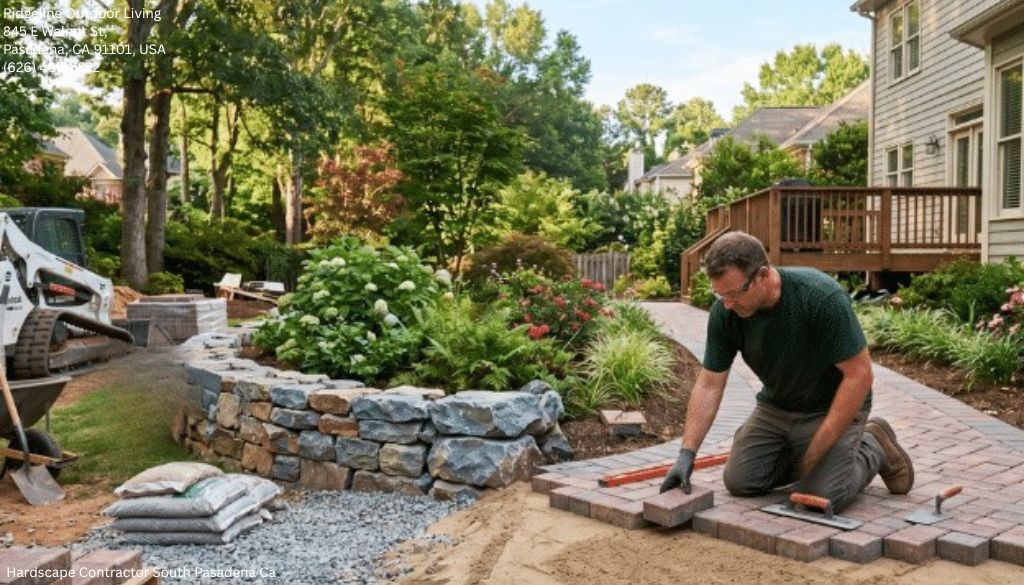
Plant-first renovations often cost less than full hardscape overhauls, yet they shift the perception of the entire property. Many of our clients pair a modest plant palette with targeted hardscaping that adds function a permeable paver patio near the kitchen, a low retaining wall to carve a seating nook on a slope, or a gravel court framed by steel edging. Resources like 10 Hardscaping Features That Increase Property Value and Paver Patios vs Stamped Concrete: Pros and Cons can help think through those decisions. In Los Angeles pricing, water-wise plantings, drip irrigation, and mulch frequently deliver a favorable return by reducing utility costs and maintenance hours while lifting curb appeal.
For those entertaining year-round, drought-tolerant planting sits comfortably around a fire element and an efficient grill station. Desert willow or palo verde provide high shade without constant leaf litter in the cooking zone, and lomandra edges keep the space soft underfoot. If you are exploring 12 Backyard Fire Pit Ideas for Entertaining Year-Round or wondering How Much Does an Outdoor Kitchen Cost in Los Angeles?, plan plant zones and heat sources together so one complements the other. Succulents near fire reflect light well, while high-oil shrubs should sit farther out.
A few dependable palettes for common sites
-
Sun-blasted south-facing front yard: Fruitless olive as the anchor, drifts of Cleveland sage and deer grass, accents of Agave ‘Blue Glow’, and a Dymondia carpet between large-format pavers. Irrigation on two zones, succulents even leaner than shrubs, with a smart controller and a rain sensor.
-
Narrow coastal parkway: Hesperaloe parviflora spaced at 3 feet, Dymondia between stepping stones, and a low strip of Westringia ‘Mundi’. Minimal overspray, all drip line under mulch, lighting tucked into flush-grade markers to reduce glare and protect plant crowns.
-
Hillside terrace: Manzanita ‘Howard McMinn’ mid-slope, Eriogonum fasciculatum on the hot faces, Baccharis ‘Pigeon Point’ for infill, and a few boulders to slow runoff. French drains tied into a collector at the base. Light pruning once a year, water cut in half after year two.
Planting windows and timeline
Fall into early winter is the most forgiving planting window for drought-tolerant species in Los Angeles. Cooler air and moist soil encourage roots to venture out before summer heat arrives. Planting in late spring is still possible, but you must budget more for establishment water and be more vigilant. Summer planting is doable in a pinch with shade cloth and careful irrigation, yet results are less predictable. If you are scheduling other work new patio, retaining wall, or a pool sequence hardscape first so plants are not trampled, then plant in the following cool season.
A realistic timeline from demolition to a finished drought-tolerant yard is 4 to 12 weeks depending on scope. We typically see plants knit into the space by the first spring, look settled by the first fall, and appear as if they have always been there by the second spring. Patience pays vividly with natives. Ceanothus and manzanita, especially, reward restraint.
Lighting, views, and the night garden
One of the most satisfying upgrades to a drought-tolerant design is thoughtful lighting. Low, warm fixtures grazing ceanothus or lifting through deer grass give texture. Simple moonlighting from a palo verde or olive washes a gravel court without glare. Avoid uplighting spiny cacti where guests might walk. The best night gardens we build rely on fewer fixtures, placed wisely, and they respect plant growth over time so beams do not scorch crowns or encourage pest issues.
Drainage and plant health
Water-smart landscapes need smart drainage. Drip saves water, but your site still must move storm runoff safely. In clay-heavy slopes, we often specify French drains beneath the upper planting terraces that tie into surface drains. This preserves roots from standing water after big storms. For flat yards with heavy soils, broad, shallow swales capture and infiltrate rain, reducing irrigation demand later. Good drainage is an insurance policy for drought-tolerant plantings. It is also the difference between a ceanothus that lives a decade and one that rots in three years.
The case for drought-tolerant landscaping, beyond water
Reduced water use is the headline, but other benefits accumulate. These plant palettes lower maintenance hours compared to high-input lawns and hedges. They improve biodiversity in neighborhoods where most yards used to look the same. They cooperate with permeable patios and driveways that improve site hydrology. They age well, patinating with bark, seed heads, and structure instead of chasing a constant clip-and-shear ideal.
We design outdoor rooms every week, from dining spaces under light-dappled canopies to paver courts for long tables and weekend gatherings. The plant palette here slots cleanly into those ideas. It sets a tone that feels right in Los Angeles a place where winter bloom is real, shade is valuable, and water is precious. With a clear eye for microclimate, a disciplined irrigation plan, and a handful of the species listed above, your yard can look sharper, live easier, and drink a fraction of what it used to.
If you are starting fresh, begin with a test bed on a small section of the yard. Learn how your soil drains, how wind rolls through, how the afternoon sun reflects off your hardscape. Adjust the palette based on what thrives. The plants will tell you quickly if you have matched them to place. When they do, they will carry the garden with very little from you. That is the paradox of a good Los Angeles landscape the less it asks, the more it gives.